
Ditch Coffee Pods: Zero Waste Coffee Recipes, Care, and Gear
Zero waste coffee brewing means using a French press, ceramic pour-over, stainless moka pot, or glass cold-brew setup, none of which need a disposable filter or single-use pod. The single highest-impact swap is dropping pod machines and to-go cups altogether, since one plastic pod cup can shed billions of nanoplastic particles. Exact recipes, filter care, and grounds reuse follow below.
TL;DR:
- Reusable metal, cloth, or unbleached paper filters are preferred, with metal filters offering the best long-term environmental benefits for daily drinkers.
- Using a French press, pour-over, moka pot, or cold brew method minimizes waste, especially when combined with careful grounds reuse and proper filter maintenance.
- Avoid plastic components in coffee machines and switch to glass or metal containers to significantly reduce microplastic release from heated plastics.
- Buying whole beans in small quantities, stored properly, reduces packaging waste and preserves coffee flavor better than pre-ground options.
- Repurposing spent grounds through composting or garden use completes the zero-waste cycle and avoids unnecessary landfill contributions.
Table of Contents
- How Do You Brew Coffee With Zero Waste, Method by Method?
- Which Filter Material Should You Actually Use?
- Does Buying Whole Beans Really Cut Packaging Waste?
- What Grinder and Gear Actually Reduce Waste?
- What Should You Do With Spent Coffee Grounds?
- How Do You Cut Plastic and Energy Waste From Your Brew?
- How Does East View Coffee Support a Zero-Waste Routine?
- What About Sweeteners, Milk, and Other Additives?
- What Actually Moves the Needle on Zero-Waste Coffee
- Coffee and Gear That Fit a Zero-Waste Morning
- Sources
- FAQ
How Do You Brew Coffee With Zero Waste, Method by Method?
Every method below skips disposable filters or uses one that composts. Pick the one that matches your morning speed and your taste preference, because the “best” zero-waste method is the one you’ll actually stick with.
French press is the simplest entry point. Use a 1:15 ratio (roughly 30 grams of coarse-ground coffee to 450 grams of water at 200°F), steep 4 minutes, break the crust, and press slowly. Its built-in metal mesh filter means it never needs a paper replacement, and French press or metal-filter pour-over is repeatedly recommended as the most realistic daily zero-waste habit. Rinse the plunger screen right after brewing, before oils dry and stick to the mesh.
Pour-over (Chemex, Hario V60, or similar) gives the cleanest cup. Use 22 grams of medium-fine coffee to 360 grams of water at 205°F, a 30-second bloom, then pour in slow circles over 3 minutes. Here’s where the filter choice matters most: a reusable metal cone filter cuts waste to zero but lets more oil through for a heavier body, while unbleached paper produces a brighter, clearer cup and composts afterward.
Moka pot brewing uses fine grind, filled just below the safety valve, on medium heat until the crema starts hissing through. The metal construction means there’s no filter at all, ever, and a well-maintained moka pot can outlast a decade of pod machines.
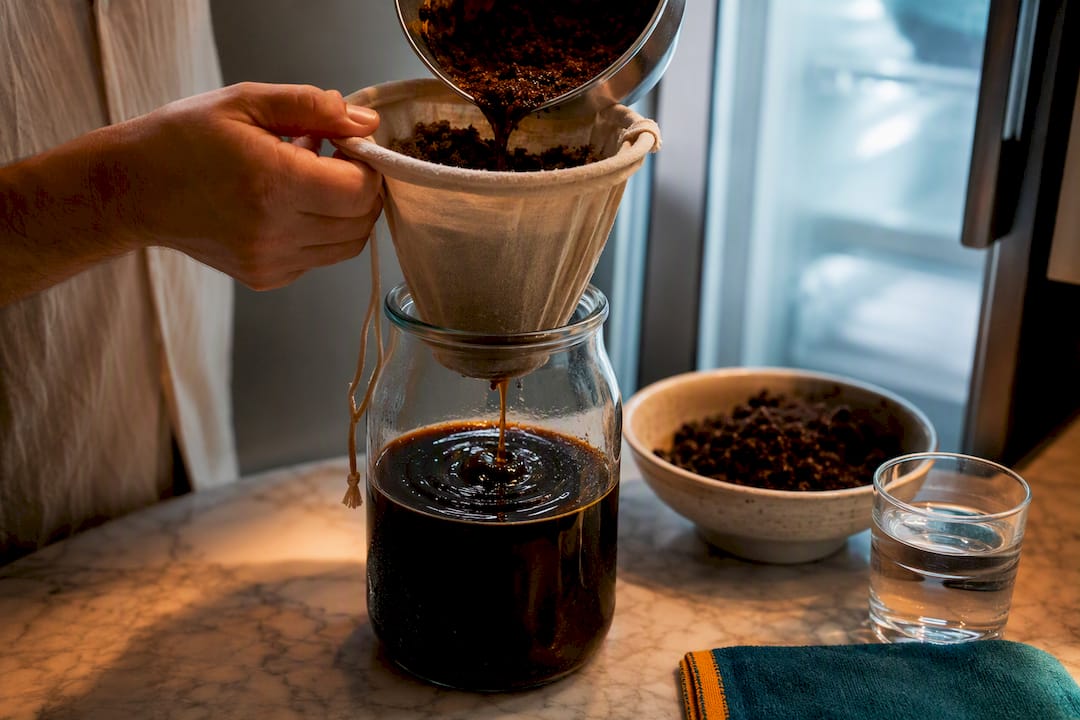
Cold brew concentrate wastes almost nothing. Combine 100 grams of coarse grounds with 800 grams of room-temperature water, steep 12 to 16 hours in the fridge, then strain through a cloth bag or a fine metal mesh. Store the concentrate in a glass jar for up to two weeks.
AeroPress fans can skip the paper disc entirely by switching to the reusable stainless steel or metal mesh disc sold for that purpose, which delivers nearly the same clean cup without a daily paper habit.
Pro Tip: Keep whichever method you choose within arm’s reach of your kettle. The zero-waste method that wins is the one that takes no extra steps compared to what you’re already doing.
Which Filter Material Should You Actually Use?
Filter choice changes flavor as much as it changes your trash output. Metal filters let more coffee oil through for a fuller, heavier body. Cloth lands in the middle. Unbleached paper delivers the cleanest, brightest cup but has to be replaced every brew, even though it composts.
- Cloth filters need a boil before their first use, a rinse after every brew, and a full wash with baking soda weekly. Store a damp cloth filter in the fridge between uses to stop mold from taking hold, and replace it every few months once it stains permanently or smells sour no matter how well you clean it.
- Metal filters just need a rinse after brewing and a monthly soak in equal parts vinegar and water to dissolve built-up coffee oils. Check the mesh for thinning or tears every few months, since a torn filter lets grit through into your cup.
- Unbleached paper filters are the right call for guests, travel, or anyone who brews too infrequently to keep a cloth filter sanitary. Toss used paper filters straight into your compost bin along with the grounds still clinging to them.
Pro Tip: Metal wins the long-term environmental math for daily drinkers, while paper wins on convenience for occasional brewing as long as you actually compost the used filter.
Does Buying Whole Beans Really Cut Packaging Waste?
Yes, and it also improves your coffee. Ground coffee loses aroma compounds within days of grinding, which means more of it ends up stale and dumped rather than drunk. Whole beans, ground fresh before each brew, waste less coffee and taste noticeably better.
Storage rules matter as much as the purchase itself:
- Keep beans in an opaque, airtight container at room temperature, not the fridge or freezer, where condensation and temperature swings degrade flavor faster.
- Buy only what you’ll drink in 2 to 4 weeks; a bag that sits open for two months is packaging waste with a coffee-shaped bonus.
- Look for roasters offering refill programs or eco-friendly packaging options instead of buying a fresh bag every time, and check local bulk bins where they exist.
What Grinder and Gear Actually Reduce Waste?
A quality burr grinder with metal burrs does more for your zero-waste routine than any filter swap, since even extraction means fewer bitter, dumped cups and unlocks buying larger bulk bags without staling. Blade grinders chew unevenly, which pushes people toward pre-ground bags wrapped in more packaging.
- Burr grinder: metal burrs, a metal or glass hopper path, no plastic touching hot or oily beans.
- Gooseneck kettle: precise pouring control, especially for pour-over methods.
- Thermal carafe: holds a full batch hot for hours without a plugged-in hot plate.
- Stainless knock box and a small compost caddy: turns grounds disposal into a two-second habit instead of a sink-clogging mess.
- A basic scale: consistent ratios mean fewer wasted, over- or under-extracted cups.
Wipe grinder burrs weekly with a dry brush and descale kettles monthly with vinegar to keep gear running for years instead of landfill-bound after one.
What Should You Do With Spent Coffee Grounds?
Spent grounds are nitrogen-rich “greens” for your compost pile, and they should stay under roughly 20 to 25% of your compost volume, balanced against carbon-rich “browns” like dry leaves or cardboard at close to a 1:3 brown-to-green ratio. Grounds compact easily, so stir them into the pile rather than dumping them in a clump, which prevents the smelly anaerobic pockets that slow decomposition.
Beyond composting, six reuses close the loop on grounds you’d otherwise toss:
- Work them into soil around acid-loving plants like blueberries or azaleas.
- Dry a small dish of grounds in the fridge to absorb odors.
- Mix grounds with a little coconut oil for a gritty hand or body scrub.
- Scatter a ring of dry grounds around garden beds as a mild pest deterrent.
- Use as a light abrasive scrub for pots and pans.
- Rub on stainless steel to cut through grease before rinsing.
A small countertop caddy makes daily collection painless, and many cities now accept coffee grounds in municipal organics bins if a backyard pile isn’t an option.
How Do You Cut Plastic and Energy Waste From Your Brew?
Plastic exposure is the part most people never check. Brewing one cup from a plastic pod can release up to 17.8 million microplastic particles, and peer-reviewed research has tied heated plastics to elevated microplastic release in beverage preparation generally.
- Check your machine’s reservoir, tubing, brew basket, and carafe. If any of them are plastic and touch hot water, that’s your biggest exposure point.
- Swap a plastic reservoir carafe for glass where the machine allows it, and run a plain water flush through a new plastic-adjacent machine before first use.
- A few plastic-minimal drip machines exist, but they cost more than manual brewers that skip the problem entirely.
- Heat only the water you’re using, batch brew into a thermal carafe instead of a heated hot plate, and skip to-go cups with plastic-lined lids where the liquid actually touches your mouth.
Pro Tip: A stainless steel travel mug with a metal lid beats a “compostable” paper cup, since most paper cups still carry a thin plastic lining that never fully composts.
How Does East View Coffee Support a Zero-Waste Routine?
East View Coffee Company roasts specialty coffee sourced from women-owned farms in small batches out of Kenosha, Wisconsin, ensuring the beans you buy are fresh rather than sitting in a warehouse for months. That sourcing model pays farmers premium compensation, which supports both agricultural equity and the environmental stewardship that keeps those farms sustainable long-term.
The brand’s own brew guide walks through ratios and technique for the methods covered above, and its blog on reusing spent grounds mirrors the same close-the-loop thinking. For anyone building a fresh-bean, minimal-packaging habit, matching your grind to your brewer and buying in a size you’ll finish within a few weeks starts with picking beans roasted with that timeline in mind.
What About Sweeteners, Milk, and Other Additives?
The waste in your cup rarely stops at the coffee itself. Packets, creamers, and flavored syrups add plastic and single-use packaging to an otherwise clean brewing routine, and they’re the easiest thing to fix once you notice them.
Buy organic sugar, turbinado, or maple sugar from a bulk bin using your own jar, rather than a plastic tub you’ll toss in a few months. If bulk bins aren’t available nearby, one large paper bag of sugar still beats a dozen small plastic packets over a year of coffee mornings.
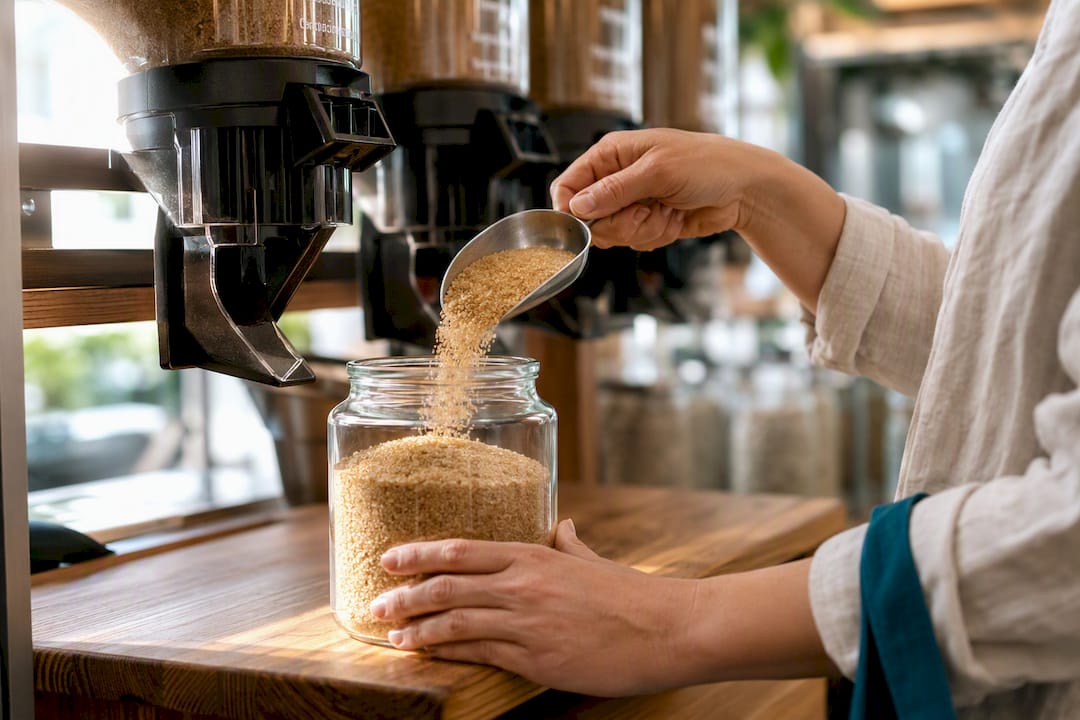
For milk and dairy alternatives, keep a reusable glass or stainless steel container on hand for refills if your grocery store offers a bulk dispenser, which a growing number of natural food stores do. Oat, almond, and soy milk made at home from bulk-bought grain or nuts cuts carton waste entirely, though it takes more effort than most weekday routines allow.
Skip flavored syrups packaged in plastic squeeze bottles. A simple homemade syrup, sugar and water, or sugar and cinnamon, simmered and stored in a reused glass jar, replaces most of what a bottled syrup does without the packaging. Even small swaps like using a glass shaker for cinnamon instead of buying a new plastic one each time add up across a year of daily coffee.
What Actually Moves the Needle on Zero-Waste Coffee
Most zero-waste advice fixates on filter material, as if switching from paper to metal solves the problem. It doesn’t, not by itself. The bigger win sits upstream: what machine you use and whether hot water ever touches plastic in the first place. A French press with an occasional paper filter beats a “reusable filter” pod machine that still routes hot water through a plastic reservoir every single day.
The conventional advice also underweights maintenance. A cloth filter that molds after two weeks of neglect gets thrown out and replaced with more cloth, which erases any waste savings. Care routines aren’t a footnote here, they’re the entire point.
If you’re starting today, prioritize in this order: kill the pod machine first, fix your filter material second, and tackle grounds disposal third. Everything else is optimization on top of a foundation that’s either solid or isn’t.
— Jenny
Coffee and Gear That Fit a Zero-Waste Morning
If you’re building a cold-brew habit around the ratios above, Cold Brew Blend Coffee from East View Coffee is roasted specifically for that coarse-grind, long-steep method, so you get a smoother concentrate without babysitting the batch. At a 100g to 800g ratio steeped 12 to 16 hours, one bag stretches across a couple of weeks of concentrate with a jar and a cloth strainer, no pods required.
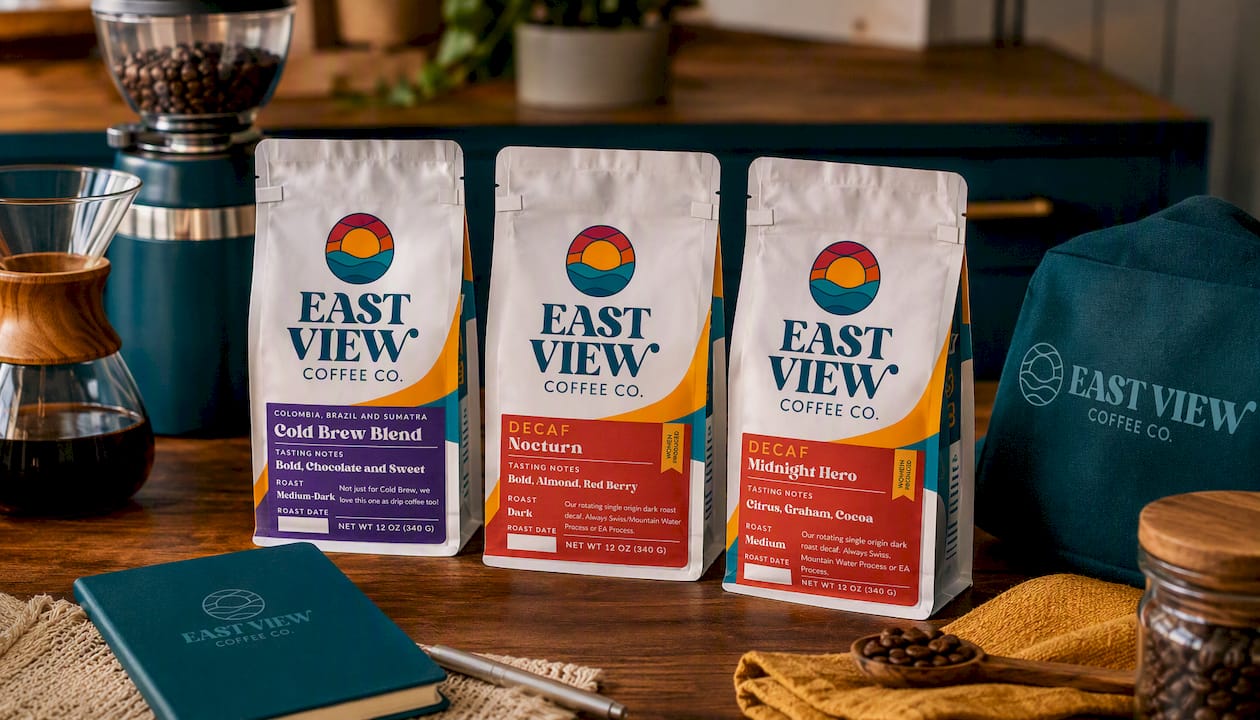
If decaf is what your evening cup calls for, Nocturne Decaf Freshly Roasted Coffee works well in a French press or pour-over without sacrificing the small-batch freshness that keeps beans from going stale and getting tossed. Midnight Hero Decaf Freshly Roasted Coffee is a second decaf option worth trying in a moka pot or single-serve pour-over, giving you a way to compare roast profiles without buying from two different sources.
East View Coffee offers freshly roasted beans sourced from women-owned farms paid premium rates, which means fresher beans arrive to a grinder near you rather than sitting stale on a shelf. Order a bag suited to whichever method you settled on above and start the fresh-bean habit this week.
Sources
- Plastic Free Coffee Guide: Beans & Brewers (2026) | Plastic Detox
- Plastic-free coffee makers — WIRED
- Composting and coffee grounds | Cornell Soil Health
- PubMed relevant study on plastics and heated liquids
FAQ
What Is the Most Environmentally Friendly Way to Make Coffee?
A French press, ceramic pour-over, or stainless moka pot brews coffee with no disposable filter and no plastic in the wet path, making these the lowest-waste options for daily brewing.
What Is the 15-15-15 Rule for Coffee?
There’s no single agreed-upon “15-15-15 rule” in coffee brewing; the figure sometimes circulates informally around grind size, water temperature, or extraction timing, but no standard definition backs it, so treat any version you encounter with caution.
What Is the Healthiest Way to Make Coffee Without Plastic?
Use a metal, glass, or ceramic brewer where hot water never touches plastic, since heated plastics have been linked to microplastic release, and a single plastic pod can release millions of microplastic particles per cup.
What Is the Most Environmentally Friendly Coffee Machine?
Manual brewers like a French press or metal-filter pour-over beat electric machines because they use no electricity and contain the least plastic; a few high-end plastic-minimal drip machines exist but cost significantly more than manual options.
Does East View Coffee Support Zero-Waste Brewing?
East View Coffee’s small-batch roasting and brew guide are built around fresh whole beans and methods like French press and pour-over, both zero-waste by design.