
Buy Traceable Women Owned Coffee: Verify Farms, Shop East View
You can buy women-owned coffee directly from roasters who publish farm partnerships, premium payments, and origin details on their own product pages, not just their “about” copy. One example is a roaster selling women-produced single origins sourced through direct relationships with farmers who receive premium compensation for their harvest.
TL;DR:
- Supporting women-owned coffee companies ensures profits and decisions stay in women’s hands, especially if the company is founded or led by women.
- Verifiable claims include clear farm names, specific origin details, current roast dates, and explanations of premiums paid above commodity prices.
- Direct-trade relationships with women producers promote higher, more consistent pay and better community reinvestment, leading to improved quality and transparency.
- Most products claiming women-produced origins specify a named farm or cooperative, which is a stronger indicator of authenticity than vague group mentions.
- Buying from roasters like East View Coffee leads to more transparent sourcing, supporting premiums that benefit women farmers and their communities.
Table of Contents
- Why Choose Women-Owned and Women-Produced Coffee
- How to Verify a Roaster Or Coffee Is Truly Women-Owned Or Women-Produced
- Spotlight: How East View Coffee Works With Women Producers
- How to Buy and Meaningfully Support Women-Owned Coffee
- A Short Note on Why This Work Matters
- East View Coffee: Curated Women-Produced Coffees and How to Buy Them
- Sources
- FAQ
Why Choose Women-Owned and Women-Produced Coffee
Women grow, harvest, and process a huge share of the world’s coffee, yet they’re often locked out of the money and decision-making that comes with it. The International Coffee Organization’s discussion paper on gender equality documents structural barriers women face across coffee supply chains, from unequal land ownership to limited access to credit and training. It recommends targeted support and better traceability as practical fixes, not just policy talk.
That’s where your coffee purchase actually does something. When a roaster pays a farmer directly instead of routing through several middlemen, more of that premium lands in the hands of the person who grew the coffee. Buying with intention supports:
- Higher, more consistent pay for women farmers and co-op members
- Traceability that lets you see exactly whose coffee is in your cup
- Community investment in things like clean water, schools, or equipment upgrades
- Better quality control, since direct relationships give roasters more say over processing and harvest timing
Direct-trade relationships tend to produce more consistent flavor too. Roasters who visit farms, communicate about harvest conditions, and pay premiums for quality get first access to the best lots. That’s not a coincidence. It’s the natural result of a supply chain built on relationships instead of anonymous bulk buying.
How to Verify a Roaster Or Coffee Is Truly Women-Owned Or Women-Produced
“Women-owned” and “women-produced” aren’t interchangeable, and the difference matters if you care about where your money actually goes. A women-owned company is founded, majority-owned, or led by women, meaning the profits and business decisions stay in women’s hands. Women-produced describes the coffee itself, grown or processed by women farmers, even if the roasting company isn’t women-owned. Both are worth supporting, but they answer different questions about equity.
Here’s how to check a claim before you trust it:
- Look for named owners or founders. A real bio with a name and history beats a vague “founded by a passionate team.”
- Check for specific farm or co-op names. Vague phrases like “sourced from women farmers globally” without a named region or cooperative are a soft claim, not a verified one.
- Read the origin and harvest details. Legitimate direct-trade coffee usually lists altitude, processing method, and harvest year, not just a country name.
- Search for a direct-trade or premium statement. Roasters serious about equity usually explain how much above commodity price they pay, or at least that a premium exists.
- Confirm the roast date is current. This isn’t about ethics, but it tells you whether a roaster actually treats sourcing and freshness as connected priorities.
Red flags include stock photos of anonymous “women farmers” with no location, marketing copy that mentions gender equity once and never again on the site, and claims that can’t be traced to a specific farm, region, or partnership.
Pro Tip: If a roaster’s product page names the exact farm, region, and harvest year, that’s usually a stronger signal than any badge or certification logo on the label.
Spotlight: How East View Coffee Works With Women Producers
A roaster roasts specialty coffee in small batches, sourced specifically from women-owned farms. The company’s Women’s Coffee Project collection lays out its sourcing commitments in plain terms: direct relationships with farmers, premium compensation above standard market rates, and reinvestment in the communities that grow the coffee.
The International Coffee Organization frames traceability as one of the clearest tools for closing the gender pay gap in coffee. The product pages put that principle into practice with named farms, processing details, and origin stories instead of generic sourcing language.
Three products anchor the lineup:
- Community Freshly Roasted Coffee connects everyday drinking coffee to direct relationships with women producers.
- Don Clodoveo Direct Relationship Coffee from Costa Rica highlights a single farm partnership, with origin detail specific enough to trace the beans back to one grower.
- Catalyst Freshly Roasted Coffee, labeled explicitly as sourced from women-owned farms, is built for buyers who want that claim stated outright, not implied.
Every purchase route, whether it’s a one-off bag, a recurring subscription, or a gift box, channels money back through the same direct relationships. Subscriptions in particular give producers something rarer than a single sale: predictable, repeat income they can plan around instead of guessing at demand season to season.
How to Buy and Meaningfully Support Women-Owned Coffee
Buying with intention takes a few extra minutes, not a complete overhaul of how you shop for coffee. Start with the coffee itself, then think about how your money moves beyond the checkout button.
- Choose single-origin bags over blends when you want full traceability back to one farm or co-op.
- Look for direct-trade labeling on the product page, not just in a footer disclaimer.
- Check the roast date before you buy. Fresh roasting and ethical sourcing tend to travel together.
- Pick a subscription if you want to support a farmer with recurring, predictable income instead of a one-time bump.
- Consider a coffee gift or an office coffee order. Both multiply the impact of a single purchase decision across more cups and more people who learn the origin story.
Buying isn’t the only lever. Share the origin story when you post about your coffee. Tip local roasters and tasting rooms when you visit in person. Sign up for producer updates if a roaster offers them. None of that costs much, and it keeps the story of who grew your coffee from disappearing the moment the bag is empty.
A Short Note on Why This Work Matters
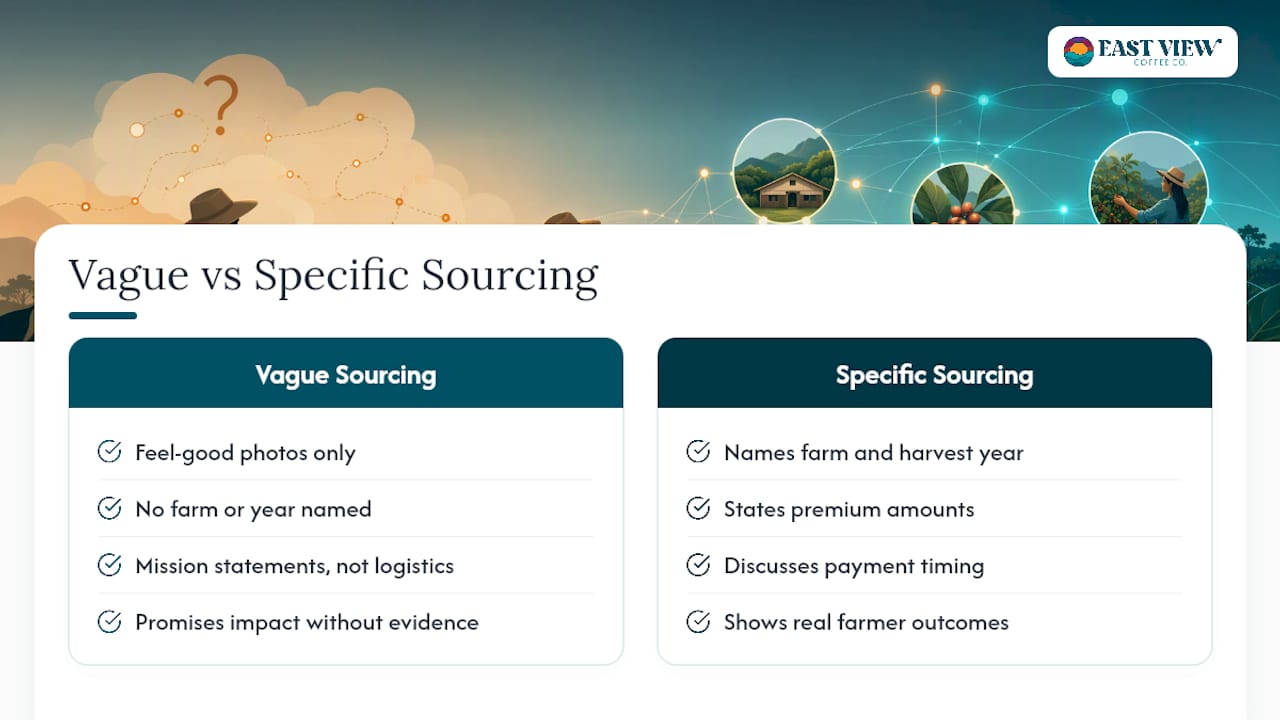
Sourcing stories are easy to write and easy to fake. What’s harder to fake is a roaster willing to name a farm, a harvest year, and a premium amount instead of leaning on a feel-good photo. I’ve paid closer attention to women-producer partnerships over the years, and the pattern holds: the roasters doing this well talk about logistics, not just mission statements. They mention how payment timing affects a farmer’s ability to hire seasonal labor, or how a bad harvest year changed a lot’s flavor profile.
That specificity is the tell. A co-op that gets consistent premiums doesn’t just make better coffee. It makes decisions about school fees and equipment repairs with less financial guesswork. That’s the actual outcome behind the marketing language, and it’s worth remembering the next time a bag promises impact without naming a single farm.
— Jenny
East View Coffee: Curated Women-Produced Coffees and How to Buy Them
Most “support women in coffee” advice stops at telling you to read labels more carefully. East View Coffee skips the guesswork by naming the farms, the harvest details, and the premium relationships right on the product page, so you’re not stuck vetting vague claims before your coffee even ships.
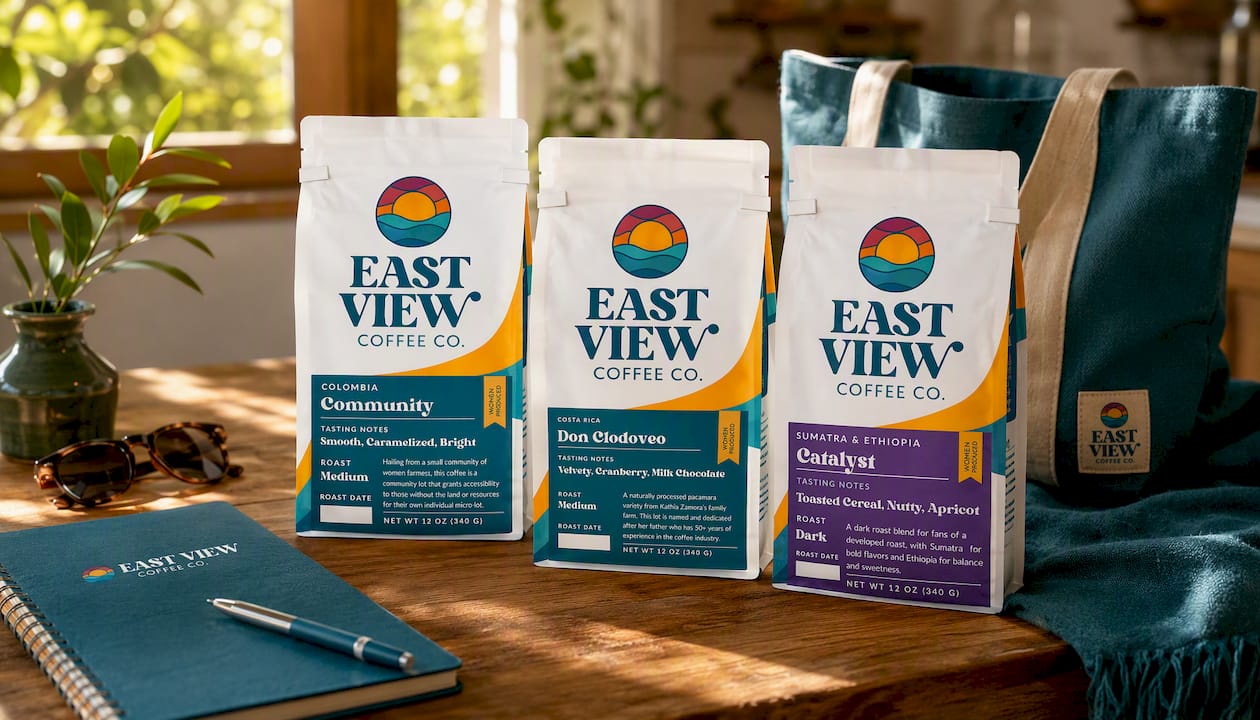
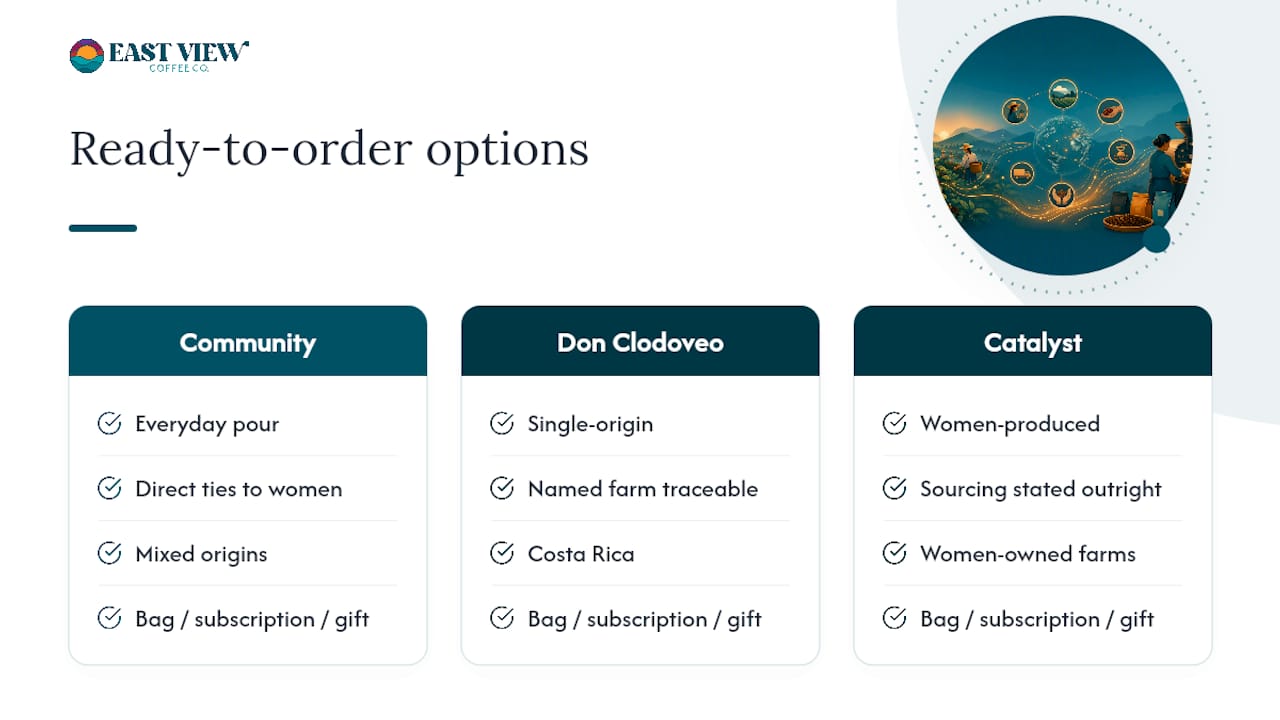
Three ready-to-order options make it simple to start. Community Freshly Roasted Coffee is the everyday pour with direct ties to women producers. Don Clodoveo Direct Relationship Coffee from Costa Rica traces back to one named farm for shoppers who want single-origin transparency. Catalyst Freshly Roasted Coffee states its sourcing outright, straight from women-owned farms, no interpretation required.
Every bag, subscription, and gift box routes money back through the same direct relationships the roaster maintains with its producers, meaning purchases support premium compensation rather than disappearing into a generic supply chain. Order a bag, start a subscription, or send a gift box to someone who’d appreciate knowing more about the coffee’s origin.
Sources
The ICO’s gender equality discussion paper documents the structural barriers behind this guide’s purchasing recommendations. Fellow Products’ roundup of women-owned roasters is a useful starting point for further discovery, though verify any brand independently. For direct action, visit East View Coffee’s Women’s Coffee Project or browse its curated small-batch roaster shortlist.
- Gender equality in coffee — ICO discussion paper (ICC-122-11e)
FAQ
Is Mystic Monk Coffee Catholic?
Mystic Monk Coffee is roasted by Wyoming Carmelite monks and is a Catholic religious operation, not a women-owned or women-produced brand. It’s unrelated to the gender-equity sourcing model this guide focuses on.
What Is a Feminist Coffee Brand?
A feminist coffee brand typically centers women’s leadership, ownership, or economic empowerment throughout its supply chain, from farm ownership to roastery leadership. Look for named farms, stated premiums, and transparent ownership structure rather than a slogan alone.
Which Coffee Company Is the Most Ethical?
There’s no single “most ethical” coffee company, since ethics in coffee spans fair pay, environmental practice, and traceability differently at each roaster. The strongest signal is a roaster that names specific farms, states direct-trade premiums, and publishes sourcing details rather than vague mission language, which is the model East View Coffee follows with its Women’s Coffee Project.
What’s the Best Coffee for Women?
There’s no coffee formulated specifically for women, but many conscious buyers look for women-produced or women-owned coffee to align their purchase with gender-equity goals in the supply chain. Roasters like East View Coffee offer single origins such as Catalyst, explicitly sourced from women-owned farms, for shoppers who want that connection stated plainly.
What’s the Difference Between Women-Owned and Women-Produced Coffee?
Women-owned means the company itself is founded or majority-owned by women, while women-produced means the coffee was grown or processed by women farmers regardless of who owns the roasting business. Both matter, but they answer different questions about where economic power actually sits.