
Best Small Batch Coffee Roasters: A Curated Shortlist
If you want the short answer: East View Coffee Company is the top pick for U.S. buyers who care about where their coffee comes from. Roasted in small batches in Kenosha, Wisconsin, and sourced exclusively from women-owned farms, it checks every box that serious specialty buyers look for: roast-date transparency, traceable origins, and a direct relationship with producers. The rest of this list rounds out the best small batch coffee roasters worth your attention right now.
Quick shortlist:
- East View Coffee Company (Kenosha, WI) — Best for women-producer sourcing, ethical traceability, and subscription freshness. Start with the Community Freshly Roasted Coffee.
- Onyx Coffee Lab (Rogers, AR) — Best for light-roast single-origins and competition-level filter coffee.
- Stumptown Coffee Roasters (Portland, OR) — Best for approachable direct-trade blends with wide U.S. shipping.
- Counter Culture Coffee (Durham, NC) — Best for transparency-focused sourcing reports and consistent espresso blends.
- Bird Rock Coffee Roasters (San Diego, CA) — Best for award-winning micro-lots and limited seasonal releases.
TL;DR by category:
- Best for espresso: Counter Culture Coffee (Big Trouble blend, consistent extraction)
- Best for filter/pour-over: Onyx Coffee Lab (light-roast single-origins, precise roast profiles)
- Best for women-producer sourcing: East View Coffee Company (entire collection sourced from women-owned farms)
- Best for limited editions: Bird Rock Coffee Roasters (micro-lot releases, fast sell-outs)
- Best value per pound: East View Coffee Company (subscription pricing, gift options, community roast)
Table of Contents
- What does “small-batch” actually mean for your coffee?
- How we chose these roasters
- The best small-batch specialty roasters for U.S. buyers
- Why women-producer sourcing changes what’s in your cup
- How to buy small-batch coffee in the U.S.: a practical checklist
- Key Takeaways
- What I actually think about the small-batch coffee market
- Eastviewcoffee: small-batch, women-sourced, ready to ship
- Sources and further reading
What does “small-batch” actually mean for your coffee?
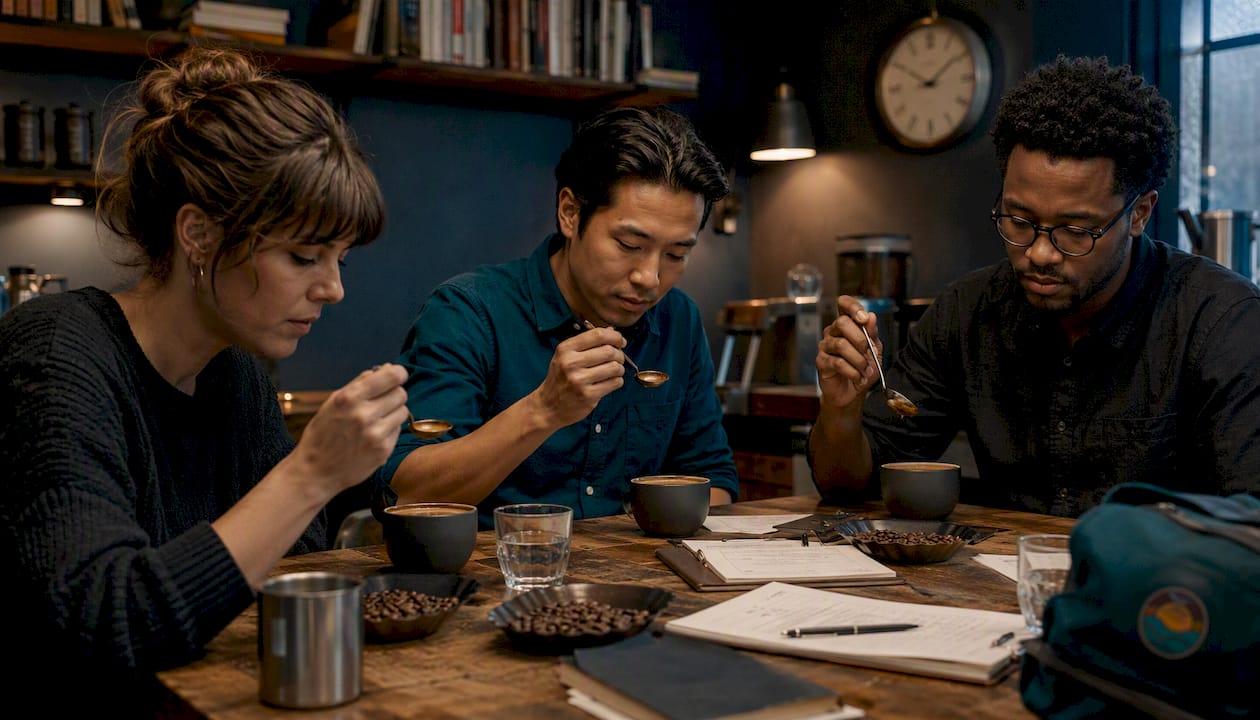
“Small-batch” is not a regulated term, which means any roaster can use it. What it actually signals, when used honestly, is a deliberate limit on roast-run size to maintain quality control across each lot. Artisanal roasters like Vernazza Coffee describe this as hand-roasting small quantities from the best Arabica lots, with iterative tasting built into the roast-profile development process. The practical result: the roaster can catch a batch that drifts off-profile and correct it before it ships.
Specialty coffee has a more precise definition. The Specialty Coffee Association grades green coffee on a 100-point scale; beans scoring 80 or above qualify as specialty grade. Small-batch roasting and specialty sourcing overlap naturally because small lots allow roasters to pay attention to individual farm or micro-lot characteristics that would get lost in a large commercial blend.
For buyers, this intersection has real consequences:
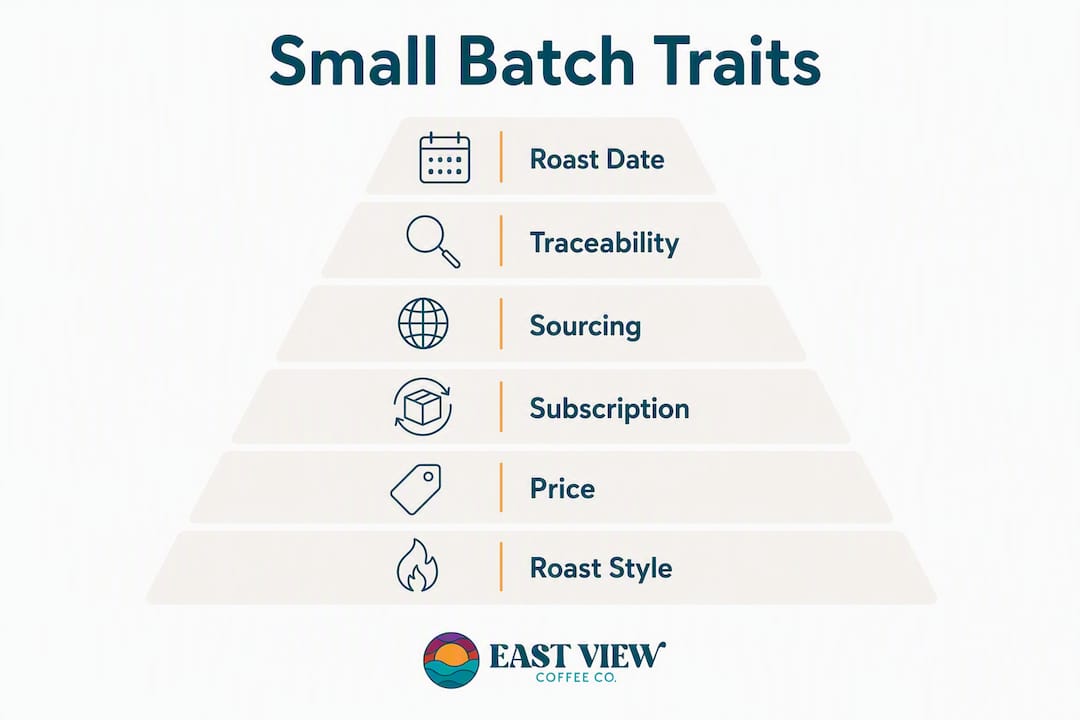
- Roast dates appear on the bag, not just a “best by” date stamped months out.
- Lots are traceable to a named farm, cooperative, or region, not just a country of origin.
- Flavor notes are specific (stone fruit, brown sugar, jasmine) rather than generic (“smooth,” “bold”).
- Availability is limited. When a lot sells out, it is gone until the next harvest.
What to look for on a roaster’s site:
- A printed roast date (not just a best-by date)
- A lot number or micro-lot designation
- Named farm, cooperative, or producer
- Language like “direct trade,” “micro-lot,” or “curated lot”
- Cupping notes or roast-profile descriptions written by the roaster
Pro Tip: The single strongest signal of serious small-batch practice is a roast-profile description written by the roaster, not a marketing copywriter. If the product page mentions specific development time, roast temperature curve, or a named master roaster’s tasting notes, that roaster is doing the work.
How we chose these roasters
These picks were selected on six criteria, applied consistently across every roaster considered.
- Roast-date transparency. Every roaster on this list prints the roast date on the bag or product page. No exceptions.
- Traceable sourcing. Named farms, cooperatives, or producer groups, not just country-of-origin labels. Roasters that use direct-trade language must back it with named relationships.
- Evidence of small-lot practice. Micro-lot or curated-lot language, limited availability windows, and lot numbers on product pages.
- Flavor clarity and sensory notes. Specific tasting notes written by the roaster, not generic descriptors. Cross-referencing customer reviews with objective product metadata (roast date, origin, lot notes) helps separate real sensory quality from marketing.
- U.S. shipping availability. Every roaster here ships to U.S. customers with reasonable lead times.
- Subscription options and price range. Subscriptions matter for freshness. Roasters that offer flexible cadence and clear pricing were rated higher.
We verified claims by checking product pages for roast dates, reading sourcing statements, and drawing on East View Coffee’s own practitioner experience roasting and sourcing small-batch specialty coffee.
On what we excluded: Roasters that could not demonstrate roast-date labeling, sourced from unnamed intermediaries, or operated at a scale that makes “small-batch” a marketing claim rather than a production reality were left off the list. U.S. availability was a hard filter — roasters that do not ship domestically or have no U.S. distribution were not considered.
The best small-batch specialty roasters for U.S. buyers
East View Coffee Company — Kenosha, Wisconsin
East View Coffee is the only roaster on this list built entirely around women-producer sourcing. Every coffee in the collection comes from women-owned farms, and the premium paid to those producers is a core part of the business model, not a footnote. Roasted in small batches in Kenosha, each lot ships with a roast date and specific origin information.
Roast style: Light to medium; single-origin focus with select blends. What to try first: The Community Freshly Roasted Coffee is the entry point, roasted fresh and shipped quickly. For something more adventurous, the Roasters Choice single-origin changes with the season. Subscription: Available with flexible cadence. Price shape: Competitive for specialty-grade, with bundle options for samplers. Sourcing: Direct relationships with women-owned farms; climate commitment and eco-friendly packaging built into operations. Shipping: Ships to U.S. customers from Kenosha; roast-date labeling on every bag.
For readers who want to match a roast to their brewing style, the custom coffee recommendation tool on the East View site is worth two minutes of your time.
Onyx Coffee Lab — Rogers, Arkansas
Onyx built its reputation on competition-circuit coffee: the founders have placed in national and international barista and brewing competitions, and that precision carries into the product. Their light roasts are calibrated for filter brewing, with tasting notes that hold up under scrutiny. Roast dates are printed on every bag, and their sourcing pages name farms and producers.
Roast style: Predominantly light; single-origin filter focus with some espresso offerings. What to try first: Any current single-origin on their rotating menu; the Ethiopia and Colombia lots tend to be the most consistent entry points. Subscription: Available with multiple cadence options. Price shape: Premium, reflecting competition-grade sourcing. Sourcing: Named farms and direct-trade relationships; detailed producer profiles on the website. Shipping: Ships nationwide across the U.S.
Stumptown Coffee Roasters — Portland, Oregon
Stumptown is the oldest name on this list and the most widely distributed. That scale means it sits at the edge of what “small-batch” typically implies, but their direct-trade program is genuine and predates the term becoming fashionable. Their Hair Bender blend has been a benchmark espresso for two decades. Roast dates are on every bag.
Roast style: Medium to dark; strong blend program alongside single-origins. What to try first: Hair Bender for espresso; Holler Mountain for an approachable medium-roast filter option. Subscription: Available through their website and select retail partners. Price shape: Mid-range for specialty; widely available in grocery and online. Sourcing: Direct-trade relationships documented on their website; named-farm sourcing for single-origins. Shipping: Broad U.S. distribution, including same-day retail in several cities.
Counter Culture Coffee — Durham, North Carolina
Counter Culture publishes an annual transparency report that names every farm, the price paid, and the volume purchased. That level of disclosure is rare in specialty coffee and sets a standard other roasters should match. Their espresso blends are dialed for consistency, and their training centers in major U.S. cities make them a favorite among café professionals.
Roast style: Light to medium; blend and single-origin programs run in parallel. What to try first: Big Trouble for espresso; Slow Motion for a medium-roast filter option. Subscription: Available with flexible frequency. Price shape: Mid-to-premium range; training resources add value beyond the bag. Sourcing: Annual transparency report with named farms, prices, and volumes. Shipping: Ships to all U.S. states.
Bird Rock Coffee Roasters — San Diego, California
Bird Rock is the smallest operation on this list and the one most likely to sell out before you finish reading. Their micro-lot releases are genuinely limited, and the sensory quality on their best lots is exceptional. They have won multiple U.S. Roasting Championship titles, which is not a marketing claim but a verifiable competition result. If you want limited-edition small-batch coffee, set up their email alerts.
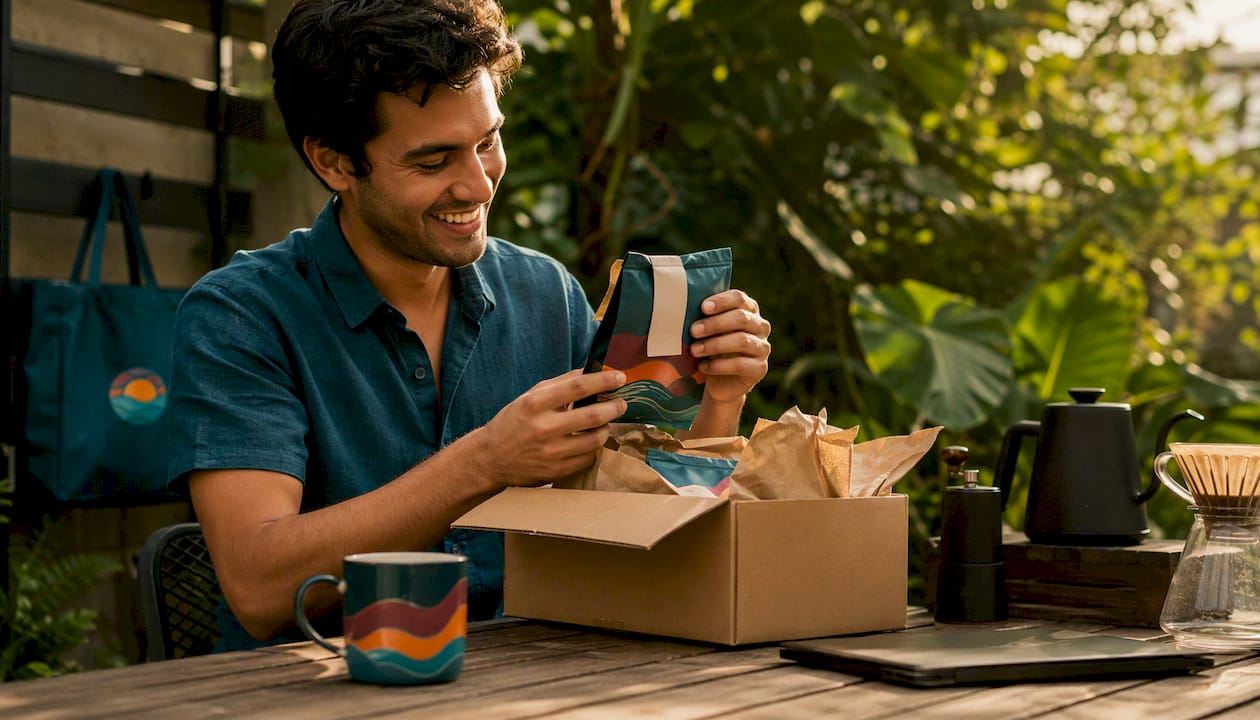
Roast style: Light to medium; micro-lot and single-origin focus. What to try first: Whatever is currently listed as a micro-lot release; their core single-origins are a reliable fallback. Subscription: Available; micro-lots may not always be included. Price shape: Premium, especially for competition-grade micro-lots. Sourcing: Named farms and producers; competition-circuit credibility adds transparency. Shipping: Ships across the U.S.; micro-lots ship on a first-come basis.
Comparison at a glance
| Roaster | Best for | Roast style | Subscription | Price shape | Sourcing & traceability | Roast-date transparency |
|---|---|---|---|---|---|---|
| East View Coffee Co. | Women-producer sourcing, ethical traceability | Light–medium, single-origin + blends | Yes, flexible cadence | Competitive specialty | Women-owned farms, direct relationships, eco packaging | Roast date on every bag |
| Onyx Coffee Lab | Light-roast filter, competition precision | Light, single-origin focus | Yes, multiple cadences | Premium | Named farms, direct trade | Roast date on every bag |
| Stumptown Coffee Roasters | Approachable blends, wide availability | Medium–dark, blends + single-origin | Yes | Mid-range specialty | Direct-trade program, named farms | Roast date on every bag |
| Counter Culture Coffee | Sourcing transparency, espresso consistency | Light–medium, blends + single-origin | Yes, flexible | Mid-to-premium | Annual transparency report, named farms + prices | Roast date on every bag |
| Bird Rock Coffee Roasters | Micro-lots, limited editions | Light–medium, micro-lot focus | Yes (core range) | Premium | Named farms, competition-verified | Roast date on every bag |
Why women-producer sourcing changes what’s in your cup
Ethically sourced coffee from women-owned farms is not just a values statement. It changes the supply chain in ways that affect flavor, traceability, and the long-term health of the farms producing the coffee.
Women producers who receive premium compensation have documented incentives to invest in post-harvest processing, which is where a significant portion of a coffee’s flavor profile is determined. Better fermentation control, more careful drying, and cleaner sorting all show up in the cup. The traceability that comes with named-producer sourcing also means buyers can follow a lot from harvest to roast, which is the kind of transparency that separates genuine small-batch practice from marketing language.
East View Coffee Company’s women’s coffee project operationalizes this directly. Every coffee in the collection is sourced from women-owned farms, and the premium paid to those producers is built into the pricing model. That is a structural commitment, not a seasonal campaign.
Certified production environments reinforce this. Harvest Artisan Coffee Roasters, for example, holds ISO 22000:2005 certification for its production unit, a food-safety and traceability standard that signals consistent process control from sourcing through packaging. Buyers evaluating any roaster’s ethical claims should look for this kind of third-party verification alongside the roaster’s own sourcing language.
The practical reality for buyers: ethically sourced, traceable coffee tends to cost more per pound than commodity-grade alternatives. That premium funds better farm practices, better processing, and the direct relationships that make small-batch roasting possible. When you see a price that seems too low for “specialty” and “direct trade,” one of those claims is probably not accurate.
For a deeper look at how East View approaches its sourcing commitments, the impact report lays out the specifics.
How to buy small-batch coffee in the U.S.: a practical checklist
Start with the roast date. Everything else is secondary.
A coffee roasted three weeks ago and shipped in a bag with a one-way degassing valve will outperform a “premium” coffee roasted six months ago in a sealed tin. Specialty coffee is at its best in the weeks after roasting; most roasters recommend brewing within four to six weeks of the roast date for filter methods, with espresso often benefiting from a short rest of seven to ten days after roasting.
Buying checklist:
- Check the roast date first. If the product page shows only a “best by” date, ask the roaster directly. No answer is a red flag.
- Choose whole bean when possible. Ground coffee goes stale faster. Grind at home for noticeably better flavor.
- Confirm shipping time and packaging. Look for one-way degassing valves on the bag and ask about courier practices for warm-weather shipping. East View’s packaging page explains their approach.
- Decide: subscription or one-off. Subscriptions are better for freshness on everyday coffees; one-off purchases make sense for limited micro-lots you want to try before committing.
- Review price per pound and sample options. Many roasters offer sampler packs or smaller bags. Try before you buy a full pound of an unfamiliar roast.
- Check for lot numbers and origin details. A lot number or named-farm designation is a sign the roaster can trace the coffee back to its source.
For seasonal and limited releases, timing matters. Micro-lots sell out quickly and often ship on a first-come basis. East View’s holiday coffee planning guide covers how to plan for seasonal releases without missing your window.
Pro Tip: Consistent roast-date labeling across all product pages, not just featured items, is the clearest sign a roaster treats freshness as a standard rather than a selling point. If some products show roast dates and others do not, the roaster’s commitment to transparency is selective.
Red flags to avoid:
- No roast date anywhere on the product page or bag
- Origin listed only as a country (“Colombian coffee”) with no farm, region, or cooperative named
- Tasting notes that are identical across multiple different origins
- No response or vague answers when you ask about shipping timelines
- “Small-batch” in the brand name but no evidence of limited production runs or lot-specific sourcing
Key Takeaways
The best small-batch specialty coffee roasters share three non-negotiable traits: roast-date transparency, traceable sourcing to named farms or producers, and a genuine commitment to limited-lot production that shows up in the product, not just the marketing.
| Point | Details |
|---|---|
| Roast date is the first filter | Always check the roast date before buying; no date is an automatic disqualifier. |
| Traceability signals quality | Named farms, lot numbers, and direct-trade language separate real small-batch practice from marketing. |
| Subscriptions protect freshness | A subscription with a roaster you trust delivers fresher coffee than a one-off purchase from an unknown source. |
| Ethics and flavor are connected | Women-producer sourcing and premium compensation fund better processing, which improves cup quality. |
| East View Coffee Company | Eastviewcoffee sources every coffee from women-owned farms, roasts in small batches in Kenosha, and ships with roast-date transparency. |
What I actually think about the small-batch coffee market
The term “small-batch” has been stretched past usefulness by brands that use it to mean anything from a 15-kilogram sample roast to a 500-bag production run with no lot-specific sourcing. The word itself tells you almost nothing now. What tells you something is the combination of a printed roast date, a named producer, and a roaster willing to explain their process in specific terms.
The roasters on this list earn that description honestly. But the more interesting question is why women-producer sourcing, specifically, tends to correlate with better traceability and cup quality. The answer is structural: when a roaster builds a direct relationship with a named producer and pays a premium tied to quality, both parties have an incentive to maintain that relationship. The producer invests in better processing. The roaster invests in understanding the lot. The buyer gets a coffee with a story that is actually verifiable, not just printed on the bag.
East View Coffee Company is the clearest example of this on the list. The entire sourcing model is built around those relationships, which means every bag you buy is connected to a specific farm and a specific producer who received a fair price. That is not common in specialty coffee, even among roasters who use the right language.
The practical advice I would give any coffee buyer: stop optimizing for roast level and start optimizing for transparency. A roaster who can tell you exactly where the coffee came from, when it was roasted, and what they paid for it is a roaster worth trusting with your morning cup.
Eastviewcoffee: small-batch, women-sourced, ready to ship
Fresh coffee from women-owned farms, roasted in small batches in Kenosha and shipped with a roast date on every bag. That is what Eastviewcoffee offers, and it is a sharper deal than it sounds when you compare it to the alternatives on this list.
The Community Freshly Roasted Coffee is the best starting point: freshly roasted, clearly dated, and priced for everyday drinking. If you want to match a roast to your brewing method, the custom coffee recommendation tool takes two minutes and points you to the right bag. For readers who want to explore the full women-producer collection, all available coffees are listed with origin details and roast profiles.
Subscriptions are available with flexible cadence. Gift options ship with the same roast-date transparency as regular orders. Pick your roast, choose whole bean or ground, and select your shipping frequency. That is the whole process.
Sources and further reading
The sources below informed this guide’s selection criteria, roaster profiles, and sourcing standards.
- Top 100 Specialty Coffee Roasters in 2024 — Roastful’s ranked list of specialty roasters; used to cross-reference roaster reputation and sourcing claims.
- East View Coffee Company — Women’s Coffee Project — Primary source for East View’s women-producer sourcing model and collection.
- East View Coffee Company — Impact Report — Detailed account of East View’s sourcing commitments, producer relationships, and community impact.
- East View Coffee Company — Coffee Cupping vs. Coffee Tasting — Explains sensory evaluation practices used in roaster quality control; supports methodology and E-E-A-T credibility.