
How to Run a School Coffee Fundraiser That Actually Pays Off
A hybrid coffee fundraiser combining in-person brochure sales with a virtual storefront is the most effective model for most schools. It maximizes reach, keeps volunteer hours manageable, and gives families the flexibility to buy and share online. Start by requesting a fundraising packet from Eastviewcoffee, setting a 6–8 week campaign window, and deciding your channel mix before you recruit volunteers.
Get moving in four steps:
- Contact a roaster partner like Eastviewcoffee to request a sample pack and fundraising packet
- Set your campaign window — 6–8 weeks from kickoff to distribution works for most schools
- Choose your channel mix — in-person order forms, a virtual storefront, or both
- Confirm school permissions for any in-person coffee service before you promote
Key Takeaways
A hybrid coffee fundraiser combining in-person order collection with a virtual storefront, built around ethically sourced specialty coffee, gives most schools the best combination of profit margin, reach, and donor engagement.
| Point | Details |
|---|---|
| Choose your model | A hybrid in-person and virtual campaign reaches more buyers with fewer volunteer hours. |
| Know your margin | Product fundraisers typically return 40%–50% of gross sales to the school after vendor costs. |
| Use the story | Ethically sourced, women-produced coffee gives organizers ready-made marketing copy that increases average order value. |
| Vet your vendor | Confirm payout percentage, timing, minimums, and sample availability before signing anything. |
| Eastviewcoffee as partner | Eastviewcoffee offers small-batch, women-sourced specialty coffee with fundraising support for schools. |
Table of Contents
- What does a strong school coffee fundraiser program include?
- How do you run a coffee fundraiser step by step?
- What should you sell and how much can you expect to earn?
- Which promotion tactics actually boost coffee fundraiser sales?
- Why does ethically sourced specialty coffee raise more money?
- What results can schools realistically expect?
- How do you vet a coffee fundraiser vendor?
- Legal and tax considerations for school fundraisers
- Payment collection and accounting best practices
- What I’ve learned about coffee fundraisers for schools
- Eastviewcoffee’s fundraising program is built for schools
- Sources
- FAQ
What does a strong school coffee fundraiser program include?
The best programs share a short list of non-negotiable features. Know these before you sign anything.
- Clear profit split: Look for programs that pay out 40%–50% of gross sales to the school after vendor and product costs. Direct-donation platforms can return roughly 90% of a gift after fees, so weigh that option if your community is donation-friendly.
- Product variety: Whole-bean bags, pre-ground options, decaf, and gift bundles give buyers real choices and push average order value up.
- Virtual storefront with shareable links: Students post a personal link; grandparents in another state can order and have coffee shipped directly to them. Roaster partnerships that ship to supporters remove the inventory headache entirely.
- Low or no upfront cost: Any program requiring a large deposit before you’ve sold a single bag is a red flag.
- Vendor-handled fulfillment: The best setups let the roaster pack and ship orders directly, so your volunteers aren’t sorting bags in a gym.
- Order reconciliation support: A vendor who provides a clear settlement report saves your treasurer hours.
For schools specifically, ease of distribution and low volunteer burden matter more than raw margin. A booster club with a dedicated parent crew can manage more complexity; a PTA running its third fundraiser of the year cannot.
Statistic callout: Product fundraisers typically return 40%–50% to the school after vendor share and product costs, compared with roughly 90% retention on direct donations. Coffee fundraisers sit in the product category, so the quality and price point of what you sell directly determines whether that margin is worth it.
How do you run a coffee fundraiser step by step?
Three practical models fit most schools. Pick the one that matches your volunteer capacity and community.
In-person (brochure/order collection): Students carry paper order forms, collect checks or cash, and return them to a coordinator. Works well for elementary schools with high parent engagement.
Virtual storefront: The roaster hosts an online shop; students share a unique link via text or social media. Orders ship directly to buyers. This model broadens your donor base well beyond the school zip code.
Hybrid: Combine both. Run the brochure drive for two weeks, then keep the virtual shop open for another two weeks to catch late buyers and out-of-town family.
Sample 7-week timeline:
- Week 1: Sign up with your roaster partner, receive sample packs and digital assets
- Week 2: Distribute order forms and launch the virtual storefront; send the first parent email
- Weeks 3–4: Active selling window; send two reminder messages
- Week 4 (end): Close in-person order collection; tally forms and submit to vendor
- Week 5: Virtual storefront closes; vendor processes all orders
- Week 6: Vendor ships direct-to-buyer orders; school receives bulk in-person order
- Week 7: In-person distribution day; school receives settlement and payout
For the drop-off lane variation, you can run it three ways: brew on-site, sell bottled ready-to-drink beverages, or partner with a provider who pre-brews and handles service. Each has different supply and staffing needs, so plan those logistics at least two weeks out.
Who handles what: The vendor manages product, packing, shipping, and settlement reports. The school organizer handles promotion, order form collection, payment intake for in-person sales, and distribution day logistics.
What should you sell and how much can you expect to earn?
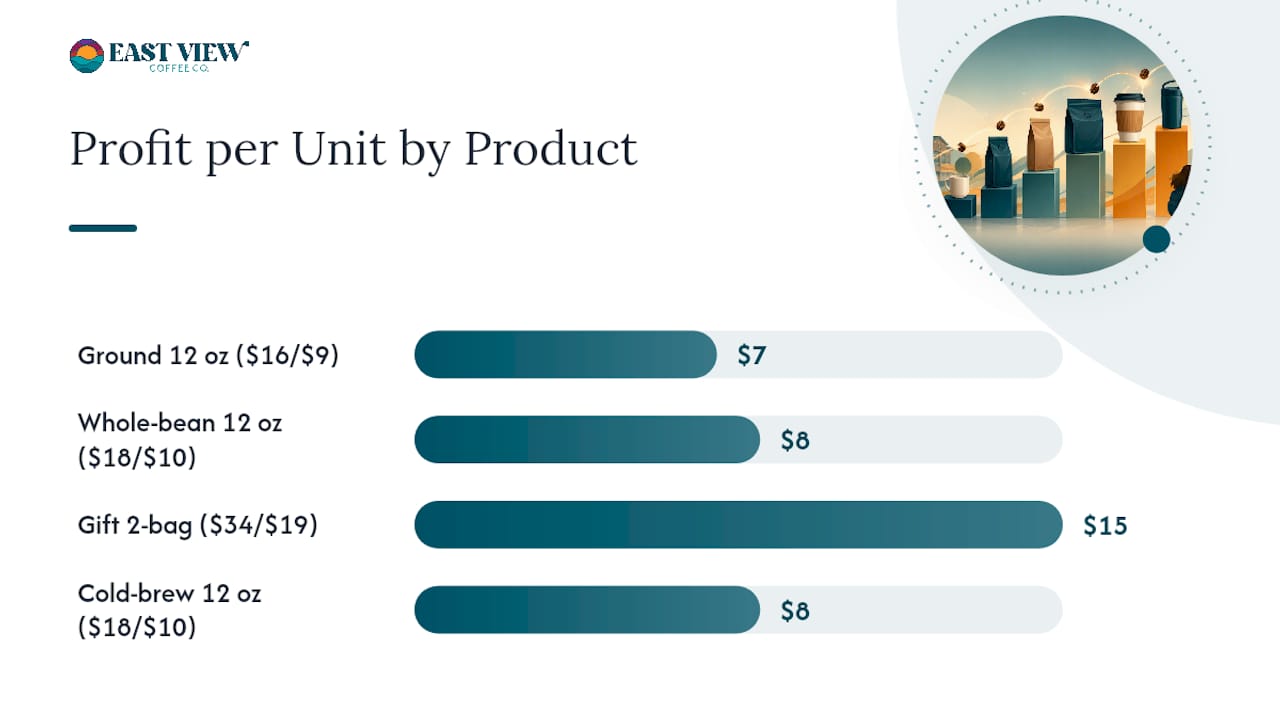
The product mix that performs best for school audiences combines a mid-price ground or whole-bean bag ($14–$18 retail) with at least one gift bundle option ($28–$40) for buyers who want to give more.
| Product Type | Suggested Retail | Approx. Vendor Cost | Profit per Unit |
|---|---|---|---|
| 12 oz ground bag | $16 | $9 | $7 |
| 12 oz whole-bean bag | $18 | $10 | $8 |
| Gift bundle (2 bags) | $34 | $19 | $15 |
| Cold-brew blend bag | $18 | $10 | $8 |
Simple profit formula: (Number of units sold × average profit per unit) = net to school.
Small school scenario (150 students, 1.5 bags per family average): 225 units × $7.50 average profit = $1,687 net.
Mid-size school scenario (400 students, 1.8 bags per family average): 720 units × $8.00 average profit = $5,760 net.
These figures assume no upfront fees and direct-to-buyer shipping on virtual orders. For in-person bulk orders, the school typically pays one consolidated shipping charge, which reduces net slightly.
Crowdfunding or direct-donation models are worth considering if your community skews toward convenience over product. And calendar-style no-product fundraisers can generate strong revenue with far fewer volunteer hours and zero inventory. Coffee fundraisers still make sense when your community values the product and you want something tangible to sell.
Which promotion tactics actually boost coffee fundraiser sales?
The top five tactics that reliably move product in school coffee campaigns:
- Drop-off lane coffee service: Sell cups of hot or iced coffee to parents during morning drop-off. It’s a live product demo that drives same-day bag sales. Three practical setups exist, depending on your equipment and staffing.
- Student-shared virtual shop links: Give every student a personal link to share. Peer-to-peer sharing outperforms any email blast.
- Email and social templates: Pre-written copy that parents can paste into a text or post cuts the friction of asking people to share.
- Teacher-sponsored cups: Teachers who brew a bag in the classroom and let students smell or taste (age-appropriate) create organic buzz.
- Simple prizes: A free bag of coffee for the top-selling student, or a classroom pizza party for the grade that sells the most, costs little and drives real competition.
Pro Tip: Launch your virtual storefront on a Tuesday or Wednesday, not a Friday. Parent engagement on school-week days is measurably higher, and you want the first wave of shares to hit before the weekend scatter.
For in-person events, check your school’s food-service policy before you brew anything. Many districts require a food handler’s permit or a waiver for any hot-beverage service on campus. Disposable cups, lids, and stirrers are easy to source, but confirm you have a plan for waste disposal and a safe serving station before the first drop-off morning.
Why does ethically sourced specialty coffee raise more money?
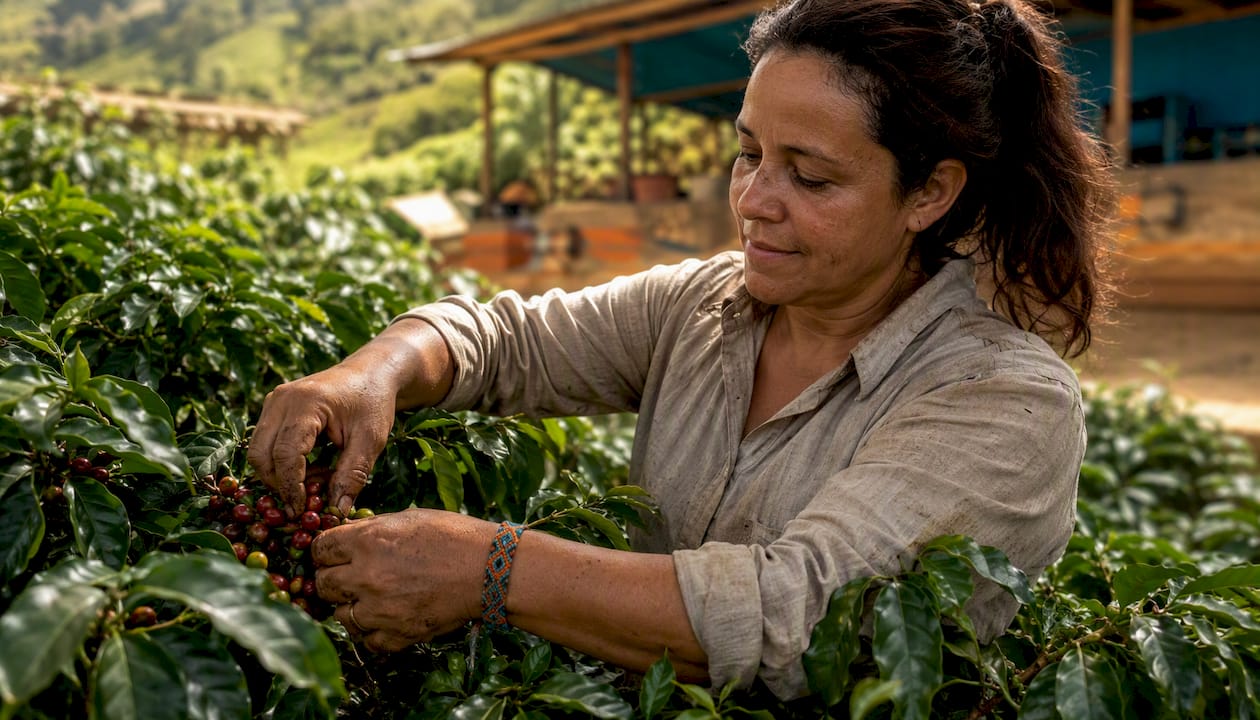
Specialty and ethically sourced coffee tends to command higher retail prices, which means more dollars per unit sold without requiring more buyers. But the bigger lever is the story. Buyers who feel their purchase does something beyond filling a mug spend more and tell more people.
Origin stories, women-producer sourcing, and small-batch roasting translate directly into short marketing lines:
- Origin line: “Single-origin coffee from women-owned farms, roasted fresh in Kenosha, Wisconsin.”
- Impact line: “Every bag supports fair pay for women farmers and your school’s [program name].”
- Quality line: “Small-batch roasted, never sitting in a warehouse — your family gets it fresh.”
Eastviewcoffee’s commitment to women-produced coffee and community impact work gives organizers real copy to use. Drop those two lines into your email header and your order form cover sheet. Families who care about where their money goes will spend more per order and forward the link.
Paste a version of that line at the top of every promotional email. It works because it’s specific and true, not because it sounds like a fundraising slogan.
What results can schools realistically expect?
Schools running well-organized coffee fundraisers with a hybrid model typically net a moderate amount depending on school size, participation rate, and average order value. The biggest variable is not the product — it’s how actively students and parents share the storefront link.
To request real testimonials and case examples from Eastviewcoffee’s fundraising partners, contact the team directly through the donations and partnerships page. They can provide school-specific examples and sample quotes you can adapt for your own promotional materials.
This kind of messaging, grounded in real sourcing facts, is what separates a coffee fundraiser from a generic candy bar drive.
How do you vet a coffee fundraiser vendor?
Three questions that separate good programs from poor ones: What is the exact payout percentage and when is it paid? Who pays shipping, and is there a minimum order? Can you provide a sample pack before we commit?
Vendor checklist:
- Payout percentage clearly stated in writing (target: 40%–50% of gross)
- Payout timing confirmed (net-30 after distribution is standard; longer is a red flag)
- Minimum order requirement disclosed upfront
- Sample pack available before signing
- Virtual storefront option with student-shareable links
- Direct-to-buyer shipping available for online orders
- Customizable branding or school-name labeling on bags
- Order reconciliation report provided at settlement
- Responsive support contact during the campaign window
Red flags: Opaque payout schedules, high upfront fees before any sales, no sample bags available, no support during distribution, and vague answers about who pays return shipping on damaged orders.
Legal and tax considerations for school fundraisers
Most school fundraisers run through a parent-teacher organization (PTO/PTA) or a school booster club registered as a 501©(3) nonprofit. That status generally exempts the organization from federal income tax on fundraising proceeds, but it does not automatically exempt sales from state sales tax.
Sales tax rules vary by state. Some states exempt nonprofit fundraising sales entirely; others tax them unless the event meets specific criteria (duration limits, frequency caps). Check with your state’s department of revenue or your organization’s accountant before you launch.
Keep all income and expenses in a dedicated bank account for the fundraiser. Document every transaction, including vendor invoices, payment receipts, and the final settlement report. If your organization files an IRS Form 990, fundraising revenue and expenses must be reported accurately.
Payment collection and accounting best practices
Collect payments digitally wherever possible. Cash and check handling creates reconciliation errors and theft risk. Platforms like PayPal, Venmo for Business, or a school-approved payment app let you track every transaction with a timestamp.
For in-person order forms, assign each student a unique form number so you can match payments to orders without confusion. Deposit cash and checks within 48 hours of collection. Never let a single volunteer hold all the funds without a second person verifying the count.
At close, reconcile your payment records against the vendor’s order report line by line before you approve the final settlement. Discrepancies are easier to resolve before the vendor ships than after. Keep all records for at least three years in case of an audit.
What I’ve learned about coffee fundraisers for schools
The schools that raise the most money from a coffee fundraiser are not the ones with the biggest budgets or the most volunteers. They’re the ones that give families a reason to care beyond the school itself.
A generic product fundraiser asks people to buy something they may not need. A coffee fundraiser built around ethically sourced, small-batch coffee from women-owned farms asks people to buy something they actually want and feel good about. That distinction shows up in average order values and in how willingly people share the link.
My honest recommendation: start with a sample pack before you commit to any program. Taste the coffee. If you wouldn’t serve it at your own table, your families won’t be excited to buy it. Eastviewcoffee’s community-roasted offerings are a strong starting point for any organizer who wants to lead with quality and a real story.
Eastviewcoffee’s fundraising program is built for schools
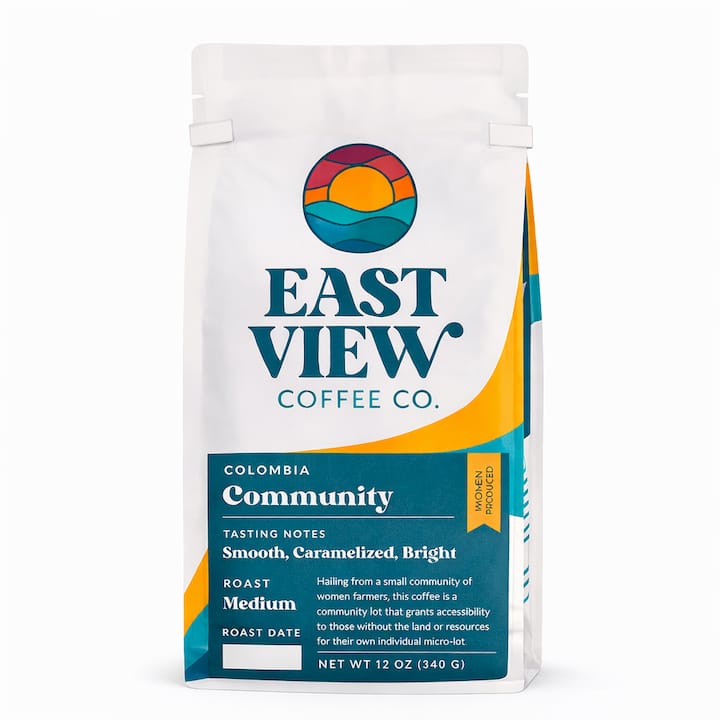
Eastviewcoffee offers something most coffee fundraiser programs don’t: specialty coffee sourced directly from women-owned farms, roasted in small batches in Kenosha, Wisconsin, with a story your families will actually want to share. That story is your fundraising copy, already written.
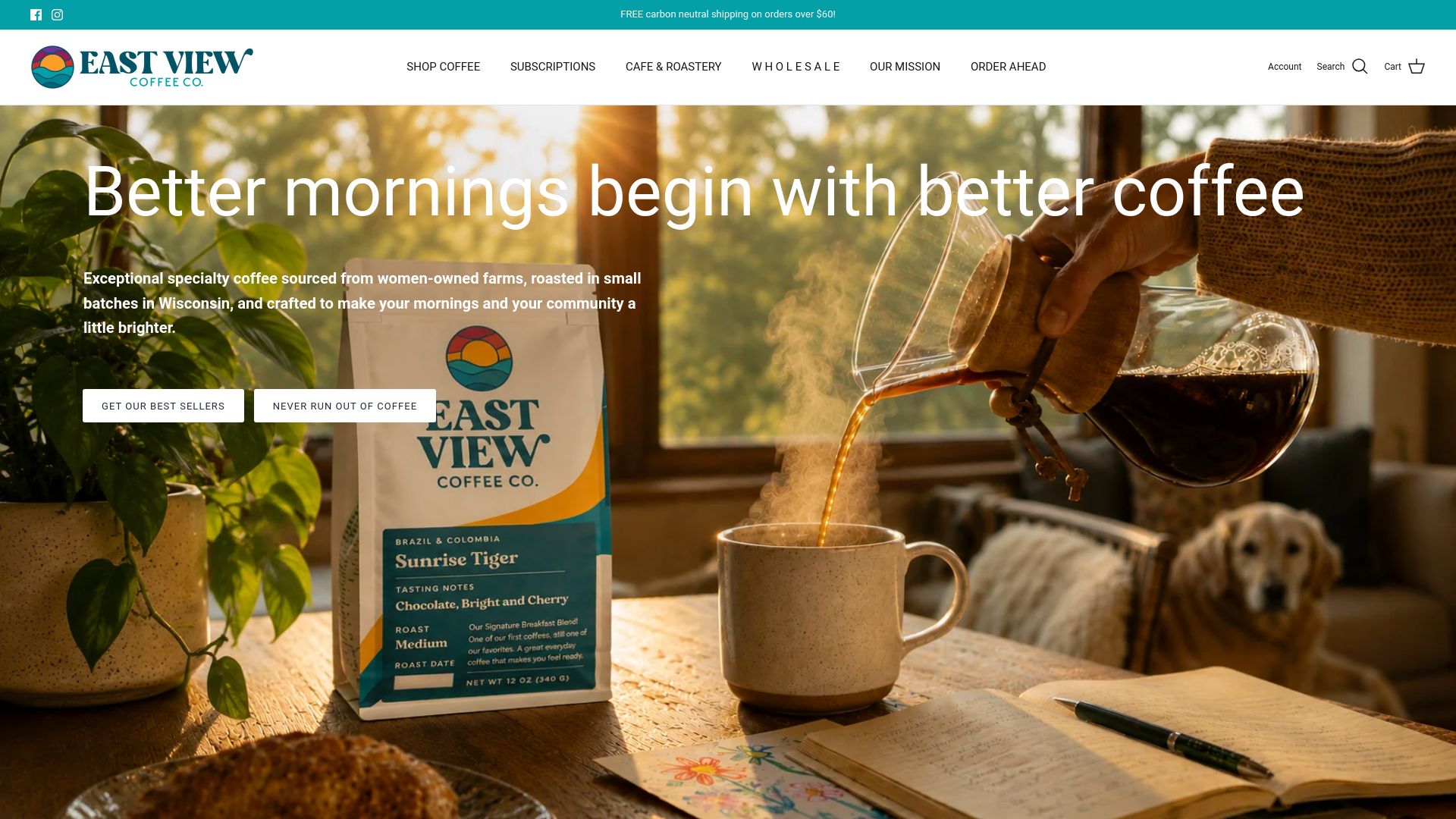
The Community Freshly Roasted Coffee and seasonal collections are well-suited for school campaigns, with gift-friendly packaging and a clear ethical sourcing narrative. Organizers can request a sample pack, discuss a virtual storefront setup, and get help with promotional templates. The donations and partnerships page is where to start. Fill out the inquiry form, and the team will walk you through a plan matched to your school’s size and timeline.
Sources
- Viral iced coffee in the drop-off line fundraiser
- Coffee Fundraiser Ideas: 5 Best Ways to Perk Up Your …
- Teamfi Blog | Crowdfunding vs Product Fundraisers: What Works Better for Schools?
- School Fundraisers | Collect Online Without Selling Products on PayIt2
- How to Run a School Fundraiser Without Selling Products (That Parents Actually Want to Do)
FAQ
How much does a school coffee fundraiser typically raise?
Schools running well-organized coffee fundraisers with a hybrid model typically net a moderate amount depending on school size, participation rate, and average order value. A mid-size school selling roughly 720 units at $8 average profit per unit reaches approximately $5,760.
What profit percentage should a school expect from a coffee fundraiser?
Does a school need a 501©(3) to run a coffee fundraiser?
Most school fundraisers operate through a PTO, PTA, or booster club with 501©(3) status, which generally exempts proceeds from federal income tax. State sales tax rules vary, so check your state’s requirements before launching.
Can supporters outside the school community buy coffee online?
Yes.
How does Eastviewcoffee support school fundraisers?
Eastviewcoffee offers ethically sourced, small-batch specialty coffee from women-owned farms, with fundraising support including sample packs, promotional materials, and partnership guidance available through their donations page.