
How Coffee Subscriptions Work: A Guide for Enthusiasts
A coffee subscription sends freshly roasted beans to your door on a schedule you control, tailored to your grind, roast level, and bag size. The core loop is simple: sign up and set your preferences, the roaster roasts and ships near your delivery date, and you brew within the freshness window. Services like Eastviewcoffee’s Community Freshly Roasted Coffee stamp the roast date right on the bag so you always know exactly what you’re working with.
Here’s what this guide covers:
- How the signup-to-cup process works, step by step
- Plan types, pricing, and what you’ll actually pay
- How to pause, skip, or cancel without surprises
- Freshness signals and sourcing transparency to look for
- A decision checklist to pick the right plan
Key Takeaways
Coffee subscriptions deliver freshly roasted beans on a schedule you set, and matching your delivery frequency to your actual consumption rate is the single most important decision you’ll make.
| Point | Details |
|---|---|
| Core mechanics | Sign up, set preferences, roaster ships within days of roasting, you brew within the freshness window. |
| Freshness signal | Look for a printed roast date and a “roasted to order” statement — no roast date is a red flag. |
| Cost-per-cup math | A 12 oz bag yields roughly 19 cups at 18 g per cup; divide the bag price to compare value. |
| Frequency match | Match bag size and delivery cadence to consumption to avoid stale coffee or running out mid-week. |
| Eastviewcoffee | Small-batch roaster sourcing from women-owned farms; roast date on every bag, easy pause/skip policy. |
Table of Contents
- How coffee subscriptions work, from signup to first sip
- Common subscription types and the meaningful options you’ll pick
- What you typically pay and how billing works
- How to manage your subscription: skip, pause, change, or cancel
- Roast date, freshness windows, and sourcing transparency
- What arrives in your first box and how to brew it
- Upsides, common downsides, and who subscriptions suit best
- A simple checklist to pick the right subscription
- What a small-batch roaster actually prioritizes
- Eastviewcoffee subscriptions: freshly roasted, ethically sourced
- Sources
- FAQ
How coffee subscriptions work, from signup to first sip
The full loop runs like this: you sign up, choose your preferences, the roaster roasts near your ship date, packages the beans, and ships them so they arrive at peak freshness. Most specialty roasters roast to order or within 1–2 days of shipment, meaning beans reach you roughly 2–5 days after roasting — far fresher than anything sitting on a grocery shelf.
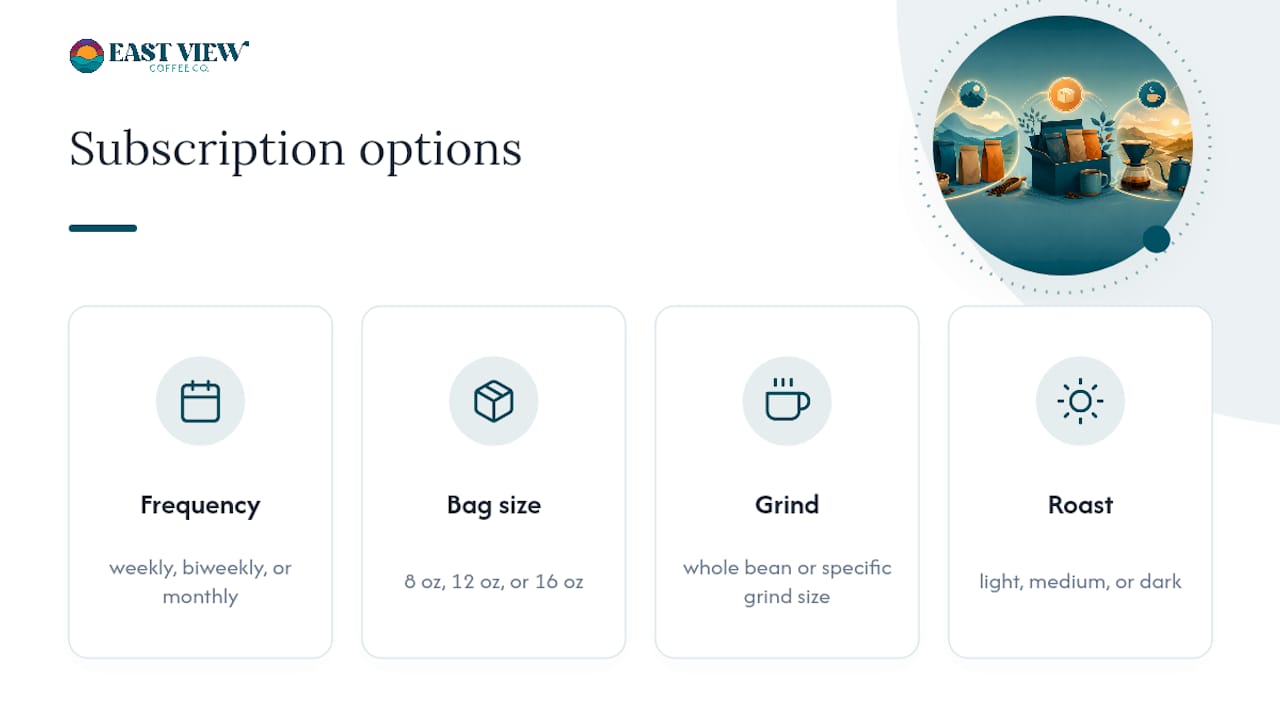
At signup, you typically set four things: delivery frequency (weekly, biweekly, or monthly), bag size (usually 8 oz, 12 oz, or 16 oz), grind (whole bean or a specific grind size), and roast preference (light, medium, dark). Some roasters also ask about flavor notes you enjoy or origins you want to explore.
After your order locks in, the roaster batches your coffee, seals it in one-way valve bags that let CO₂ escape without letting oxygen in, and ships it on schedule. Delivery windows vary by carrier and distance, but most domestic shipments arrive within 2–5 business days.
Once the bag lands at your door, store it in a cool, dark spot in an airtight container. Grind right before brewing. Check the roast date before you open it.
Pro Tip: On your first bag, check four things immediately: the roast date, the origin or farm name, the roast level, and the grind setting (if you ordered pre-ground). These four details tell you whether the roaster is being transparent and whether the coffee matches what you ordered.
Common subscription types and the meaningful options you’ll pick
Subscriptions typically offer several distinct plan structures, each built around a different kind of coffee experience:
- Roaster-direct: One roaster, rotating or fixed offerings. Best for building a relationship with a specific roaster’s style and sourcing philosophy. Pick this if consistency and trust in a single source matter to you.
- Multi-roaster/curator: A curation service sources from multiple roasters and ships a rotating selection. Good for discovery, though you trade sourcing transparency for variety.
- Origin-specific: Focuses on beans from a single country, region, or farm. Eastviewcoffee’s single-origin club is a strong example, with coffees sourced from women-owned farms.
- Sampler or gift: A set number of shipments, often with tasting notes and a welcome kit. Ideal for gifting or for someone who wants to explore before committing.
- Green bean (unroasted): For home roasters who want raw green beans to roast themselves. A niche option, but it exists.
Across all plan types, the customization options that matter most are grind size (matched to your brew method), roast level, bag size, and frequency. Many services also let you exclude certain origins or flavor profiles.
What you typically pay and how billing works
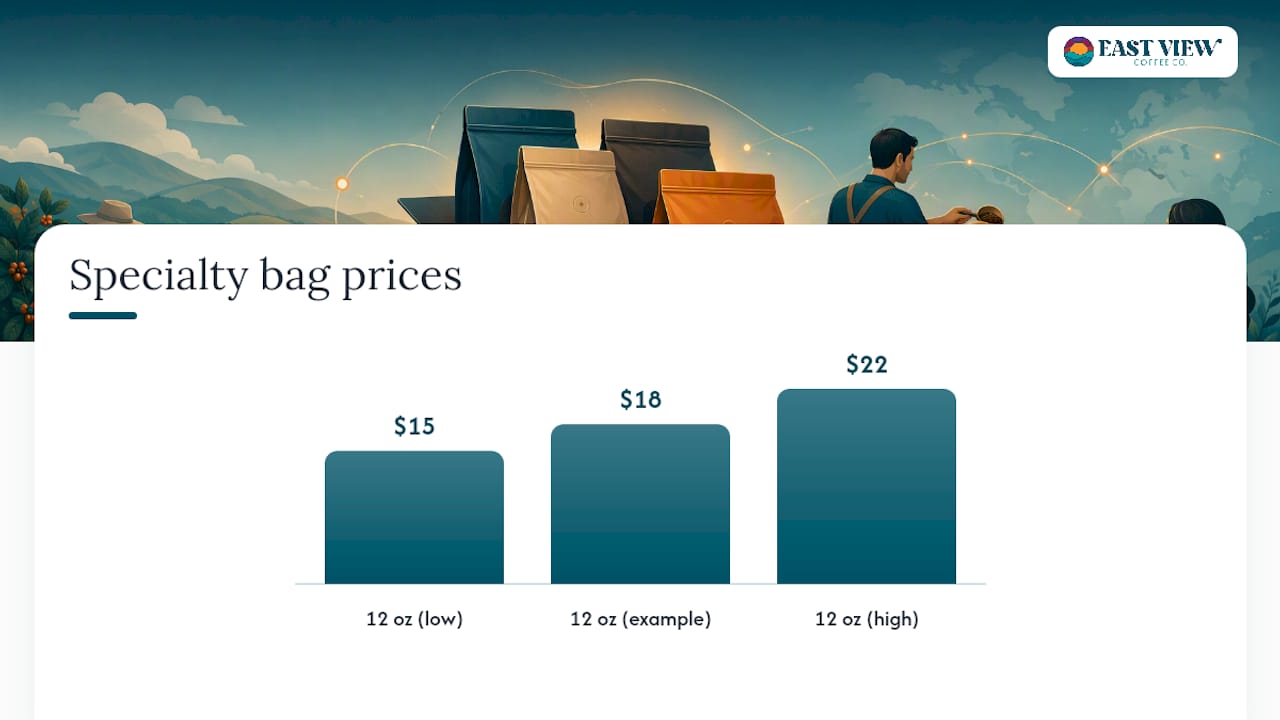
Subscription pricing depends on three main variables: bag weight, coffee quality (single-origin specialty vs. blend), and whether shipping is bundled in. A rough range for a 12 oz specialty bag runs from about $15 to $22, with shipping either included or added at checkout.
Key cost drivers:
- Bag weight: Larger bags cost more upfront but usually lower the per-ounce price.
- Single-origin vs. blend: Single-origin and micro-lot coffees carry a premium.
- Prepaid discounts: Paying for 3 or 6 months upfront often saves 10–15% versus month-to-month.
- Shipping: Some services bundle it; others add a flat fee per shipment.
- Subscription tier: Entry-level plans may offer less customization; premium tiers add curated notes or exclusive lots.
A 12 oz (≈340 g) bag yields about enough coffee for a typical number of cups brewed at a standard dose. If you pay $18 for that bag, your cost per cup is about $0.95 — compare that to a $5–$6 café drink. Billing typically runs automatically on your delivery cycle. Many services offer a discounted first bag or a trial shipment to lower the entry risk.
Pro Tip: Use the 340 g ÷ 18 g = 19 cups formula to calculate cost per cup for any bag you’re considering. It’s the fastest way to compare subscription value against your current coffee spend.
How to manage your subscription: skip, pause, change, or cancel
Most reputable services let you pause, skip, change frequency, or cancel entirely through your account dashboard, no phone call required. Here’s what that typically looks like in practice:
- Log in to your account dashboard and navigate to “Manage Subscription” or “My Orders.”
- Skip a shipment if you’re traveling or still working through your last bag. Most services require you to skip at least 2–3 days before the next roast or ship date.
- Pause your subscription for a set period (usually 1–8 weeks) without canceling.
- Change frequency, bag size, or grind at any time outside the processing window.
- Cancel through the dashboard or by contacting customer support. Reputable roasters make this straightforward.
Watch for processing cutoffs. If your coffee roasts on a Tuesday and ships Wednesday, changes submitted Tuesday morning may not apply until the next cycle. Check the roaster’s stated cutoff window before making last-minute adjustments. Also look for a satisfaction guarantee on the first shipment — many specialty roasters offer a replacement or refund if the first bag doesn’t meet expectations.
Roast date, freshness windows, and sourcing transparency
Roast date transparency and roast-to-ship timing are the clearest signals that a roaster takes freshness seriously. If a bag doesn’t show a roast date, that’s a red flag.
Signals to check on the bag or product page:
- Roast date: Printed on the bag, not just a “best by” date.
- Origin and lot/farm info: Country, region, and ideally the farm or cooperative name.
- Processing method: Washed, natural, honey — this affects flavor and tells you the roaster knows their supply chain.
- Tasting notes or score range: Specific descriptors (stone fruit, dark chocolate, jasmine) signal intentional sourcing.
- One-way valve packaging: Lets CO₂ off-gas without letting oxygen in, preserving freshness.
- “Roasted to order” statement: Confirms the coffee wasn’t sitting in a warehouse.
For filter brewing, beans tend to show their best complexity roughly 2–3 weeks after roasting. Espresso often benefits from a longer rest, somewhere in the 10–30 day range after roast, though preferences vary. This freshness window guidance is why matching your delivery frequency to your consumption rate matters so much. Similar quality-preservation logic applies across fresh specialty food delivery, as fresh-food delivery services have shown with cold-chain timing.
Pro Tip: Store beans in an airtight container away from light and heat. Never refrigerate whole beans — condensation damages them. Grind only what you need immediately before brewing.
What arrives in your first box and how to brew it
First shipments typically include a bag with the roast date printed on it, tasting notes, and brewing tips so you can taste the coffee the way the roaster intended. Many roasters add a welcome note, a profile quiz summary, or grinder recommendations.
Common first-box contents:
- One or more bags with roast date and origin info
- Tasting notes card (flavor descriptors, processing method)
- Brewing tips or a brew guide
- Welcome note from the roaster
- Grinder recommendation or grind-setting guide
Quick brew reference by method:
Whole-bean shipments give you the best results. Ground coffee loses volatile aromatics quickly, sometimes noticeably within a day or two of grinding, so grind right before you brew whenever possible.
Upsides, common downsides, and who subscriptions suit best
The biggest benefit is freshness combined with convenience and discovery. The main tradeoff is cost relative to grocery coffee, plus the schedule commitment if you don’t drink consistently.
Pros:
- Beans arrive days after roasting, not months
- No reordering — coffee shows up when you need it
- Exposure to origins and roast styles you’d never pick off a shelf
- Often cheaper per cup than a café, especially with prepaid discounts
- Sourcing transparency you rarely get from retail
Cons:
- Costs more per bag than grocery-store coffee
- Requires matching frequency to consumption or you end up with stale beans
- Less flexibility if your habits change month to month
- Some services charge shipping on top of the bag price
Who this fits best:
- Daily home brewers who go through a bag every 1–2 weeks
- Espresso drinkers who want consistent, fresh single-origin shots
- Gift buyers looking for something more personal than a gift card
- Anyone who wants to learn more about specialty coffee through tasting
A simple checklist to pick the right subscription
A few targeted questions will cut your decision time significantly:
- How much coffee do you drink? One cup per day uses roughly a 250 g bag every two weeks. Two cups per day needs a 340 g bag every 10 days or so.
- Do you have a grinder? If yes, order whole bean. If not, confirm the service offers your grind size.
- What’s the roast-date policy? Look for “roasted to order” or a stated roast-to-ship window.
- Can you pause or skip easily? Check the dashboard before you commit.
- Is shipping included? Add it to the per-bag cost if not.
- Is there a trial or sample option? Starting with a coffee bundle or sampler lets you evaluate roast style before committing to a recurring plan.
- What sourcing info do they share? Farm name, country, processing method — the more specific, the better.
- What’s the cost per cup? Divide the bag price by 19 (for a 12 oz bag at 18 g/cup) to get your number.
A good early strategy: start with a single roaster’s rotating subscription in the smallest bag size at biweekly frequency for 3–4 deliveries. That gives you enough data to know whether the roast style fits before you scale up or switch.
What a small-batch roaster actually prioritizes
Roast date isn’t a marketing claim at a small-batch operation — it’s a production constraint. When you roast in small batches, you can’t pre-roast and warehouse inventory. Every bag goes out close to the roast date because there’s no other option. That’s the structural advantage of sourcing from a roaster like Eastviewcoffee, which roasts in Kenosha, Wisconsin, and sources specifically from women-owned farms. The sourcing model means the supply chain is short and documented: you know the farm, the country, and the producer behind the coffee in your cup. That level of traceability is genuinely rare in commodity coffee and even in parts of the specialty market.
Eastviewcoffee subscriptions: freshly roasted, ethically sourced
Eastviewcoffee’s subscription offering is built around one principle: coffee roasted in small batches from women-owned farms, shipped with the roast date on every bag.
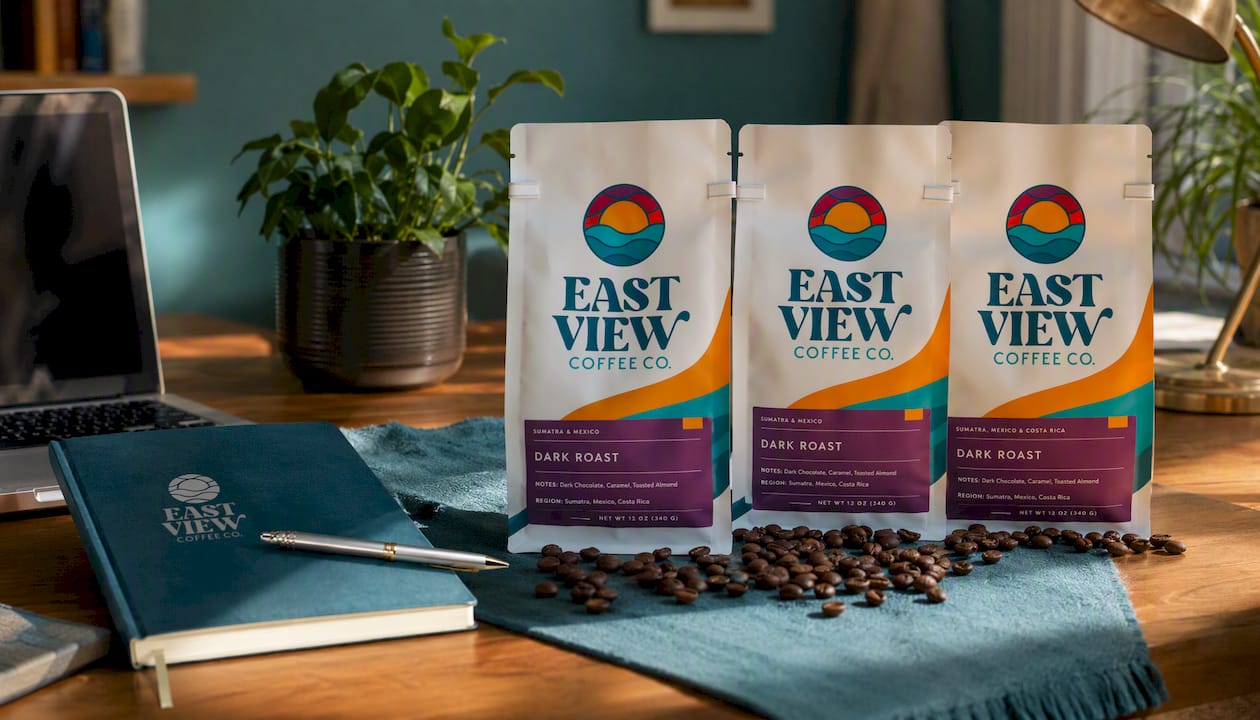
The East View Coffee subscription includes roast-date transparency on every shipment, multiple bag sizes and grind options, easy pause and skip through your account, and gift subscription options for the coffee lover in your life. Sourcing focuses on women producers, with full origin transparency and a documented climate commitment. Shipping timing and cancellation terms are listed clearly on the subscription page. To find the right roast and origin for your palate, start with a custom coffee recommendation and go from there.
Sources
The sources below cover subscription mechanics, freshness guidance, and brew basics — and include Eastviewcoffee’s own subscription and impact pages for readers who want to go deeper.
- Coffee Subscription Guide — Coffee Guide — BrewFYI
- What Is A Coffee Subscription? 2026
- How A Coffee Subscription Works - Coffee Lovers Hut
- What Is A Coffee Subscription Service And How Do They Work?
FAQ
How does a coffee subscription work?
You sign up, choose your frequency, bag size, grind, and roast level, and the roaster ships freshly roasted beans on your schedule. Most specialty roasters roast within 1–2 days of shipment so beans arrive 2–5 days after roasting.
What is a coffee subscription and is it worth it?
A coffee subscription is a recurring delivery of freshly roasted beans tailored to your preferences. It’s worth it if you brew daily at home — the cost per cup is typically under $1, and the freshness advantage over grocery coffee is significant.
Can you pause or cancel a coffee subscription easily?
Most reputable services let you pause, skip, or cancel through your account dashboard. Watch for processing cutoffs, usually 2–3 days before your roast or ship date, to make sure changes apply to the next cycle.
How do I know if the coffee is fresh?
Look for a printed roast date on the bag and a “roasted to order” statement on the product page. Beans are at their best for filter brewing roughly 2–3 weeks after roasting; espresso benefits from a 10–30 day rest post-roast.
How much coffee does a 12 oz bag make?
A 12 oz (≈340 g) bag yields roughly 19 cups when brewed at an 18 g dose per cup, making it a practical unit for calculating cost per cup and matching delivery frequency to your consumption rate.