
Coffee Tasting Room: What to Expect and How to Book
A coffee tasting room is a dedicated space where guests experience guided sensory sessions, curated flights of specialty coffee, and hands-on education led by trained hosts. East View Coffee Company in Kenosha, Wisconsin is one example: a small-batch roaster that opens its doors for structured tastings built around the SCA Flavor Wheel and the World Coffee Research Sensory Lexicon.
If you want to move past “I like this coffee” and actually understand why, a tasting room is worth your time. First-timers and curious regulars both get something out of it.
Quick facts before you go:
- Sessions typically run under two hours
- Most rooms require a reservation; walk-ins are hit or miss
- Public tastings generally cost a moderate fee per person; private sessions cost more
Table of Contents
- What actually happens during a coffee tasting room visit?
- Visitor logistics: hours, booking, pricing, and cancellation
- What tasting rooms offer: flights, classes, and private events
- How to book and prepare for your first tasting
- Common tasting-room terms you should know
- What makes Eastviewcoffee’s Kenosha tasting room different
- Key Takeaways
- Why guided tastings build something self-directed coffee drinking cannot
- Reserve your spot at Eastviewcoffee’s tasting room
- Useful sources and learning resources
What actually happens during a coffee tasting room visit?
Tasting rooms run two main formats. A guided tasting is the more common one: a host walks you through a flight of three to six coffees, usually brewed to order, while explaining origin, roast level, and flavor notes. A cupping session is more lab-style. Cups are brewed using a standardized protocol (ground coffee steeped directly in hot water, then evaluated by breaking the crust and slurping), which is how professional Q-graders and roasters assess new lots.
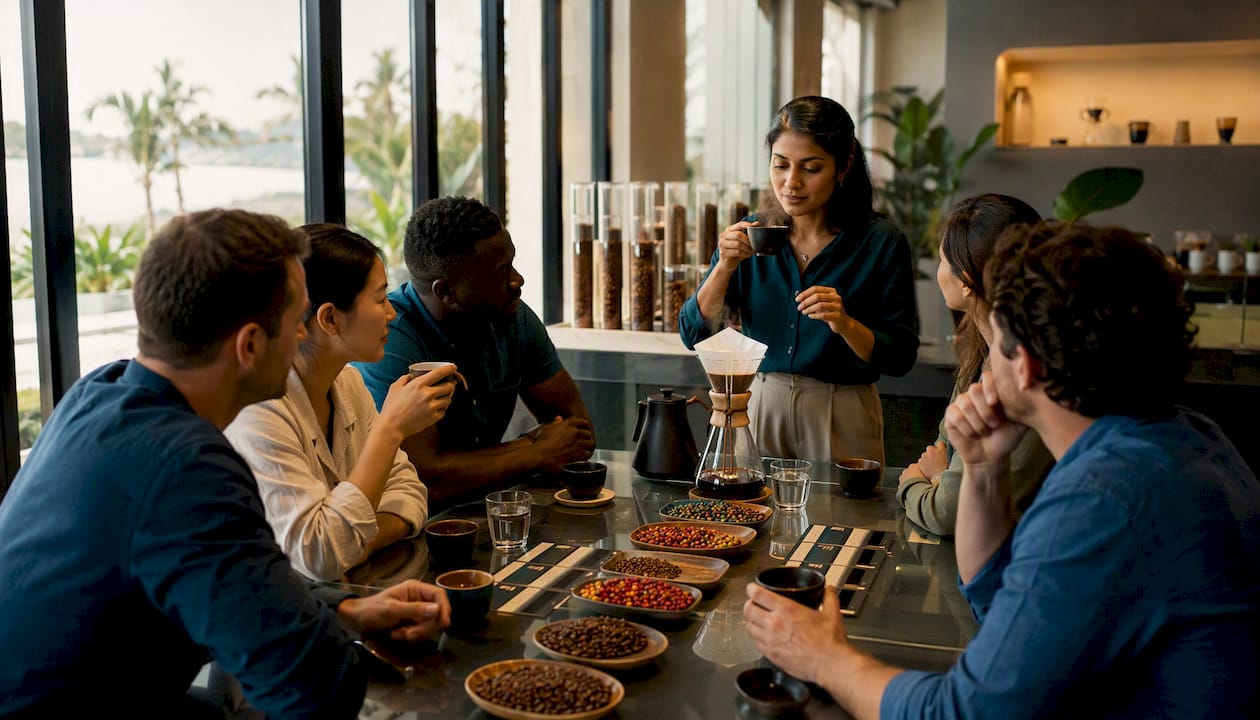
Coffee carries more than 1,000 aromatic compounds, more than wine, which is exactly why a shared vocabulary matters so much. Without a guide and a reference tool like the Flavor Wheel, most people default to “it tastes like coffee.” With one, they start picking out jasmine, panela, or dried cherry.
A typical 60-minute session moves like this:
- Arrival and orientation (5–10 min): Host introduces the lineup, explains the format, and covers basic etiquette.
- First round (15–20 min): You smell dry grounds, evaluate aroma after hot water is added, then taste. Notes are discussed.
- Comparison round (15–20 min): Side-by-side brew comparisons show how grind size or brew method changes the same bean’s flavor.
- Discussion and Q&A (10–15 min): Open floor for questions, palate notes, and recommendations.
Group size shapes the whole experience. Sessions capped at 8–10 people allow the host to address individual questions and slow down when something interesting comes up. Larger groups tend to feel more like a presentation than a conversation.
Pro Tip: Arrive 10 minutes early and skip the perfume, cologne, and strongly flavored gum or food. Lingering scents genuinely interfere with your ability to detect subtle aromatics, and the first sniff of dry grounds is often the most revealing moment of the session.
Visitor logistics: hours, booking, pricing, and cancellation
Before you show up, check the tasting room’s website for the details that actually matter. Roastery tasting rooms publish hours, flight prices, and booking instructions on their landing pages, but those details change seasonally, so confirm before you drive.
| Detail | What to expect |
|---|---|
| Hours | Typically Thursday–Sunday, mid-morning to late afternoon; some rooms open weekdays by appointment |
| Reservations | Most require advance booking online; same-day walk-ins are rarely guaranteed |
| Public tasting price | $15–$20 per person for a standard flight or guided session |
| Private/group events | Usually priced per person with a minimum headcount |
| Cancellation window | Most rooms ask for advance notice; some charge a fee for late cancellations |
A few things worth confirming before you book:
- Minimum age requirements (some cupping sessions are 18+)
- Whether the session includes take-home samples or a discount on bags purchased that day
- Parking and accessibility, especially for roastery locations that share industrial space
What tasting rooms offer: flights, classes, and private events
The menu at most tasting rooms goes well beyond a single cup. Here is what you will typically find:
- Espresso flights: Two to four espressos pulled from different origins or roast levels, served side by side for direct comparison
- Hot-brew flights: Pour-over or batch-brew comparisons, often organized by region (East Africa vs. Latin America) or processing method (washed vs. natural)
- Cold brew or nitro options: Seasonal additions at rooms with the equipment
- Brew-method comparisons: The same coffee prepared two ways, a format that clearly demonstrates how extraction changes flavor
- Short workshops: 60–90 minute sessions on topics like dialing in espresso, understanding roast levels, or reading a flavor wheel
- SCA-style courses: Multi-session programs for people pursuing barista or sensory certifications
- Private group trainings: Corporate team events, bachelorette parties, and office coffee programs that want a custom experience
- Special events: Roastery tours, seasonal release tastings, and coffee-and-food pairings
Choosing the right format depends on your goal. A beginner who wants an enjoyable introduction should book a guided flight. Someone who wants to train their palate seriously, or who is considering SCA certification, should look for a formal cupping session or a multi-week workshop.
How to book and prepare for your first tasting
Booking steps:
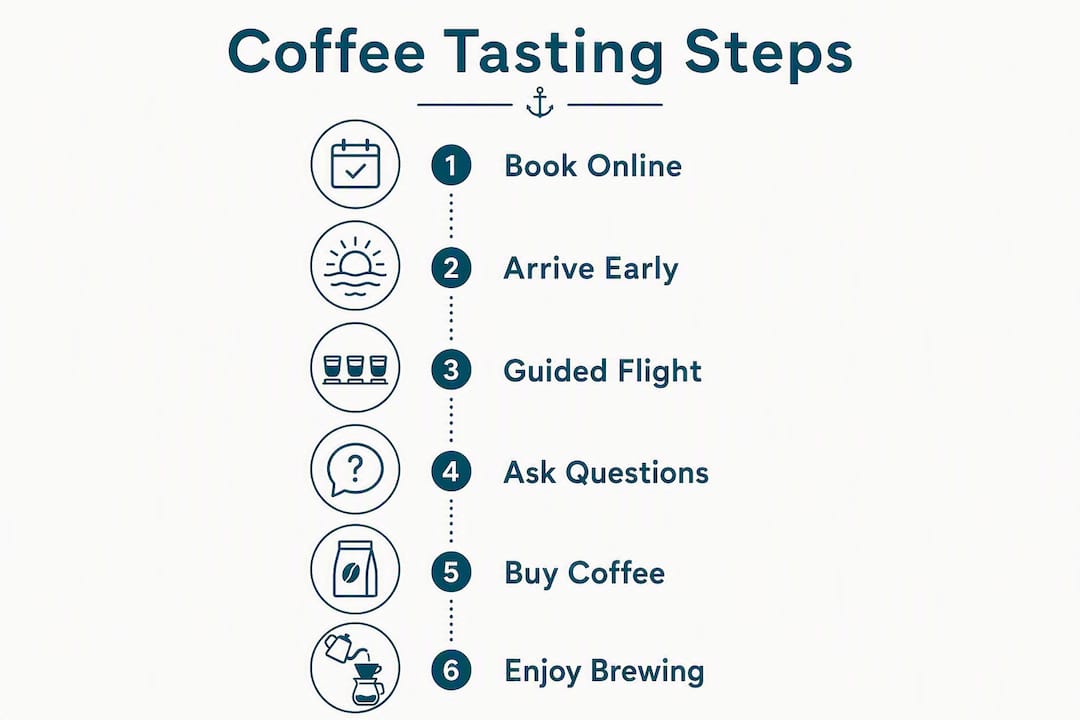
- Visit the tasting room’s website and check the current schedule and session types.
- Select the format that matches your experience level (guided tasting for beginners, cupping for those with some background).
- Note any minimums, age limits, or deposit requirements before you confirm.
- Book online or call for private events; confirm your reservation with a screenshot or email.
- Check the cancellation policy and add a calendar reminder for the cutoff window.
Before you arrive:
- Avoid coffee, strong food, or alcohol for at least an hour before the session
- Skip perfume, cologne, and scented lotion on the day of the visit
- Bring a small notebook or use your phone’s notes app to capture impressions in real time
- Wear comfortable clothes; roastery spaces can run warm
During the session:
- Slurp intentionally. It aerates the coffee and spreads it across your palate, which is how professionals do it.
- Use food references when describing what you taste. “Blueberry” is more useful than “fruity.” The SCA Flavor Wheel gives you the vocabulary to get specific.
- Ask the host to compare two contrasting coffees if the format allows. Starting with extreme profiles, like an Ethiopian natural next to a Brazilian dark roast, makes differences obvious and trains your palate faster.
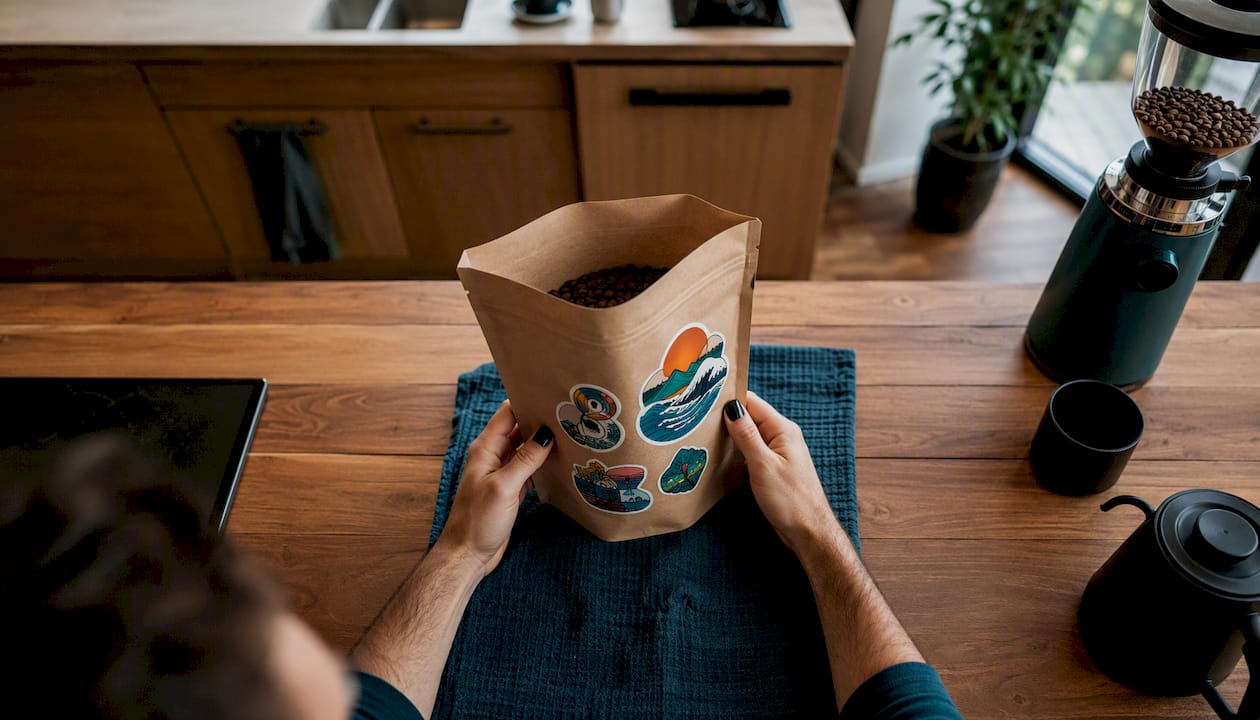
Pro Tip: Before you leave, buy a small bag of the coffee that surprised you most. Brewing it at home the next morning, while your sensory memory is still fresh, is the fastest way to lock in what you learned. Eastviewcoffee’s brewing guide is a good reference for replicating what you tasted in the room.
Common tasting-room terms you should know
Walking into a session without knowing the vocabulary is like watching a film in a language you half-speak. These are the terms you will hear:
- Tasting notes — Descriptors that describe a coffee’s aroma, flavor, acidity, body, and finish; the more specific, the more useful (think “dried apricot” over “sweet”)
Specificity matters here. Using a concrete food reference anchors the memory and makes it easier to find coffees you love after the session. “It tasted like dark chocolate and dried cherry” is something you can search for. “It was good” is not.
For the full lexicon, the WCR Sensory Lexicon PDF is freely available and worth downloading before your first session.
What makes Eastviewcoffee’s Kenosha tasting room different
Eastviewcoffee roasts in small batches in Kenosha, Wisconsin, sourcing exclusively from women-owned farms. That sourcing model is not a marketing footnote. It shapes which coffees end up in the tasting room: single-origin lots from producers who receive premium compensation, with traceable stories behind each cup. You can read one of those stories in the Barrel Aged No. 3 origin piece on the Eastviewcoffee blog.
On-site, Eastviewcoffee offers public tastings, private group trainings, and educational sessions built around the same sourcing values. The tasting room also carries the full range of single-origin and blend offerings for purchase, so you can take home exactly what you tasted.
Eastviewcoffee also supports office coffee programs and wholesale partnerships, which means the private training format is a natural fit for teams that want a meaningful group experience.
Key Takeaways
A coffee tasting room gives you structured sensory education you cannot replicate by drinking alone at home, and Eastviewcoffee’s Kenosha location pairs that experience with ethically sourced coffee from women-owned farms.
| Point | Details |
|---|---|
| Session length | Most guided tastings run 45–75 minutes; plan your visit accordingly. |
| Group size matters | Sessions capped at 8–10 people allow more interaction and a better learning experience. |
| Prepare your senses | Skip perfume and strong food before arriving to preserve sensory clarity. |
| Use specific descriptors | Food references like “blueberry” or “jasmine” anchor memory better than generic adjectives. |
| Eastviewcoffee in Kenosha | Offers public tastings, private trainings, and small-batch coffees sourced from women-owned farms. |
Why guided tastings build something self-directed coffee drinking cannot
Most people who love coffee have never actually tasted it. They have enjoyed it, sure, but tasting is a deliberate act: you slow down, you compare, you name what you notice. That distinction sounds small until you sit in a room with a guide who points out the acidity shift between a washed and a natural process coffee from the same farm. Suddenly the difference is obvious, and you cannot un-hear it.
What guided sessions do that solo exploration rarely achieves is create contrast on purpose. Tasting one coffee at home gives you that coffee. Tasting three side by side, with a host explaining what to look for, gives you a reference map. That map stays with you. The next time you open a bag and read “stone fruit, brown sugar, medium body,” you will know what that actually means in the cup.
The community dimension matters too. A small-group tasting is one of the few places where it is completely normal to slurp loudly, disagree about whether something tastes like blueberry or blackcurrant, and leave with a bag of something you never would have picked off a shelf. That shared experience tends to stick. Many regulars at tasting rooms started as first-timers who came once on a whim.
Reserve your spot at Eastviewcoffee’s tasting room
Eastviewcoffee’s Kenosha tasting room is where specialty coffee and ethical sourcing meet in person. Every session features small-batch roasts from women-owned farms, guided by hosts who know the story behind each origin.
For first-timers, a guided flight is the right starting point: you will taste three to four coffees, learn to use the SCA Flavor Wheel, and leave with a clear sense of what you like and why. Private group trainings are available for teams, events, and office programs. To explore the current coffee lineup before you visit, browse the full catalog or take the custom coffee quiz to find your match. Ready to book? Visit eastviewcoffee.com to check availability and reserve your session.
Useful sources and learning resources
- SCA Flavor Wheel — Professional Sensory Vocabulary: The primary visual reference used in tasting rooms; download it before your first session.
- WCR Sensory Lexicon (PDF): The scientific reference behind the Flavor Wheel; 110 descriptors with calibration standards.
- CoffeeTrove Interactive Flavor Wheel: A clickable version of the SCA wheel, useful for exploring descriptors before and after a tasting.
- Roastopedia — Coffee Flavors: Accessible explanations of flavor science and the WCR Lexicon.
- What’s Really Inside Those Tasting Notes: Eastviewcoffee’s own guide to understanding descriptors and flavor language.
- Eastviewcoffee Brewing Guide: For replicating tasting-room results at home after your visit.
- Le Nez du Café aroma kit: A widely used 36-scent reference kit that professionals use to calibrate their palates between sessions; available through specialty coffee retailers.