
Colombian Coffee Flavor: Tasting Notes and How to Taste It
Colombian coffee is medium-bodied with bright, clean acidity and a flavor profile built around chocolate, caramel, nuts, and red fruit. That’s the short answer. The longer one depends on where the beans were grown, how they were roasted, and how you brewed them.
- Roast level shifts everything: light roasts lean citrusy and floral; medium roasts bring out caramel and milk chocolate; dark roasts push toward cocoa and roast-forward bitterness.
- Region matters more than the label: a bag that says “Colombian” could be from Huila’s bright, fruity highlands or Antioquia’s chocolatey, nutty valleys. Those cups taste noticeably different.
- Processing is the foundation: nearly all Colombian coffee is Arabica and washed (wet-processed), which gives the cup its signature clarity and clean finish, regardless of region.
Key Takeaways
Colombian coffee’s flavor is defined by medium body, clean acidity, and notes of chocolate, caramel, and red fruit, with regional origin and roast level determining how those notes actually land in the cup.
| Point | Details |
|---|---|
| Core flavor profile | Medium body, bright acidity, caramel, chocolate, nuts, and red fruit are the Colombian baseline. |
| Region drives variation | Huila and Nariño produce brighter, fruitier cups; Antioquia and Eje Cafetero lean chocolatey and nutty. |
| Roast level is decisive | Medium roast balances origin clarity with developed sweetness; light roast emphasizes fruit and acidity. |
| What to look for on the bag | Prioritize roast date, regional labeling (department name), altitude notes, and washed processing. |
| Eastviewcoffee | Sources single-origin Colombian lots from women-owned farms, roasted small-batch in Kenosha, Wisconsin. |
Table of Contents
- What does Colombian coffee flavor actually taste like?
- How do flavors differ across Colombian growing regions?
- What shapes the flavor of Colombian coffee?
- How roast level and brew method change what you taste
- Supremo vs. Excelso and the common Colombian varietals
- How to cup Colombian coffee at home
- How to buy and store Colombian coffee in the U.S.
- Why the “Colombian coffee” label undersells what’s in the bag
- Taste the Colombian profile for yourself
- Sources
What does Colombian coffee flavor actually taste like?
The sensory baseline for Colombian coffee is a medium body, a bright but approachable acidity, and a sweetness that reads as caramel or brown sugar rather than sharp fruit sugar. Aroma tends to open with chocolate and nuts, often followed by a softer red-fruit or citrus note depending on altitude. The finish is usually clean and relatively short, which is a direct result of washed processing.
Colombian coffees commonly present caramel, milk chocolate, nuts, and red fruit. That combination is why Colombian beans show up so often in blends: they add sweetness and balance without dominating. Understanding what those notes actually mean in the cup is worth a deeper look at tasting notes and aroma vocabulary.
Roast level is the biggest variable most buyers overlook. A light roast from a Huila lot will taste almost nothing like a dark roast from the same farm. Here’s how the shift plays out:
| Roast Level | Acidity | Sweetness | Primary Notes |
|---|---|---|---|
| Light | High, bright | Delicate | Citrus, stone fruit, floral |
| Medium | Balanced | Developed | Caramel, milk chocolate, nuts |
| Dark | Low | Bitter-sweet | Cocoa, roast, dark chocolate |
Roast level shifts perceived notes in a predictable direction: light roasts preserve origin acidity and fruit; medium roasts develop caramel and chocolate sugars; dark roasts push toward cocoa and can mask the origin character that makes Colombian coffee worth buying in the first place. Medium roast is widely considered the sweet spot for Colombian single-origin lots because it balances origin clarity with developed sweetness.
How do flavors differ across Colombian growing regions?
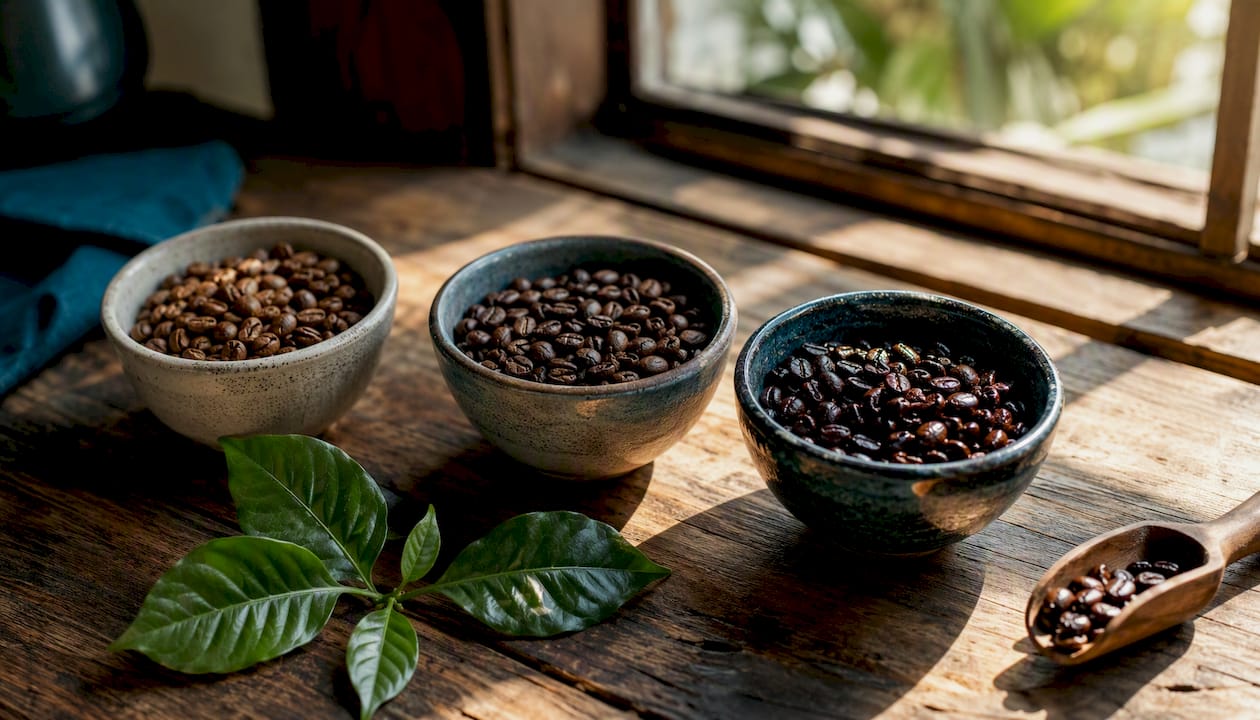
Colombia’s geography is the reason no two Colombian coffees taste identical. The Andes split the country into distinct microclimates, and altitude, rainfall, and soil composition shift dramatically within a few hundred kilometers. Higher elevations slow cherry development, which concentrates sugars and acids and produces brighter, more complex cups. Lower elevations tend toward fuller body and sweeter, chocolatey profiles.
Higher-altitude regions like Huila and Nariño produce brighter, fruitier, more complex cups, while northern and lower-altitude areas lean sweeter, chocolatey, or nutty. Here’s what to expect by region:
- Huila: Red fruit, caramel, and a juicy brightness. One of the most sought-after Colombian origins for specialty buyers.
- Nariño: Citrus and floral complexity, with some lots showing jasmine or bergamot. The highest-altitude growing region in Colombia.
- Antioquia: Milk chocolate and almonds, with a fuller body and lower perceived acidity. Approachable and crowd-pleasing.
- Tolima: Stone fruit (peach, apricot) and caramel, with a clean, balanced finish. Often underrated relative to Huila.
- Cauca: Floral and tropical fruit notes, bright acidity, medium body. Shares some character with Nariño due to similar elevation.
- Sierra Nevada: Mild, sweet, and nutty. Lower altitude than the southern regions; a gentler, more accessible profile.
- Eje Cafetero (Coffee Axis): The historic heartland of Colombian production. Balanced, medium-bodied, with classic caramel and chocolate notes. Reliable and consistent.
Regional tasting descriptions confirm the pattern: Huila shows red-fruit and caramel; Nariño shows citrus and floral; Antioquia leans chocolatey and nutty; Tolima offers stone-fruit and caramel balance.
What shapes the flavor of Colombian coffee?
Five factors do most of the work: altitude, varietal, processing method, harvest practice, and soil. Understanding them helps you read a coffee label the way a buyer does.
- Altitude: Every 300 meters of elevation slows cherry maturation, giving the bean more time to develop sugars and organic acids. The result is greater complexity, brighter acidity, and a longer finish. Nariño and Huila sit above 1,500m; that’s why they taste different from lower-grown lots.
- Varietal: Colombia grows Typica, Bourbon, Caturra, Castillo, and the Colombia hybrid. Each carries slightly different cup tendencies (covered in detail below), though altitude and processing tend to have a larger effect on the final cup than varietal alone.
- Washed processing: Most Colombian coffee is washed, meaning the fruit is removed before drying. This strips away the fermented, fruity character you’d find in a natural-processed coffee and produces a cleaner, brighter cup where origin acidity reads clearly.
- Selective hand-picking: Colombian farms commonly hand-pick only ripe cherries rather than strip-harvesting entire branches. The Federación Nacional de Cafeteros de Colombia links this practice to reduced defects and improved cup quality. A bag that notes “selective picking” or “fully washed” is signaling both.
- Soil and rainfall: Colombia’s volcanic soils in the Andes are mineral-rich and well-draining. Combined with the country’s two annual harvest cycles (a main crop and a smaller mitaca), the soil and climate allow for consistent cherry development that few other origins can match.
Pro Tip: When reading a bag, look for three things in this order: region or department name (Huila, Nariño, etc.), altitude in meters, and processing method. Those three data points tell you more about likely flavor than any marketing copy on the front of the bag.
How roast level and brew method change what you taste
Roast and brew are the two levers you control after the beans are in your hands. Both change the flavor significantly, and knowing how they interact with Colombian coffee’s natural character lets you dial in exactly what you want.
Roast level works by driving off volatile acids and developing Maillard reaction compounds. Light roasts preserve the origin’s fruit and floral notes but can taste thin or sharp to drinkers accustomed to darker coffee. Medium roasts develop caramel and chocolate sugars while keeping enough acidity to stay lively. Dark roasts push bitterness forward and reduce perceived sweetness; they can taste good, but you’re largely tasting the roast rather than the origin. For Colombian single-origin beans, medium roast is the sweet spot that most specialty roasters recommend because it showcases both the origin’s sweetness and its clarity.
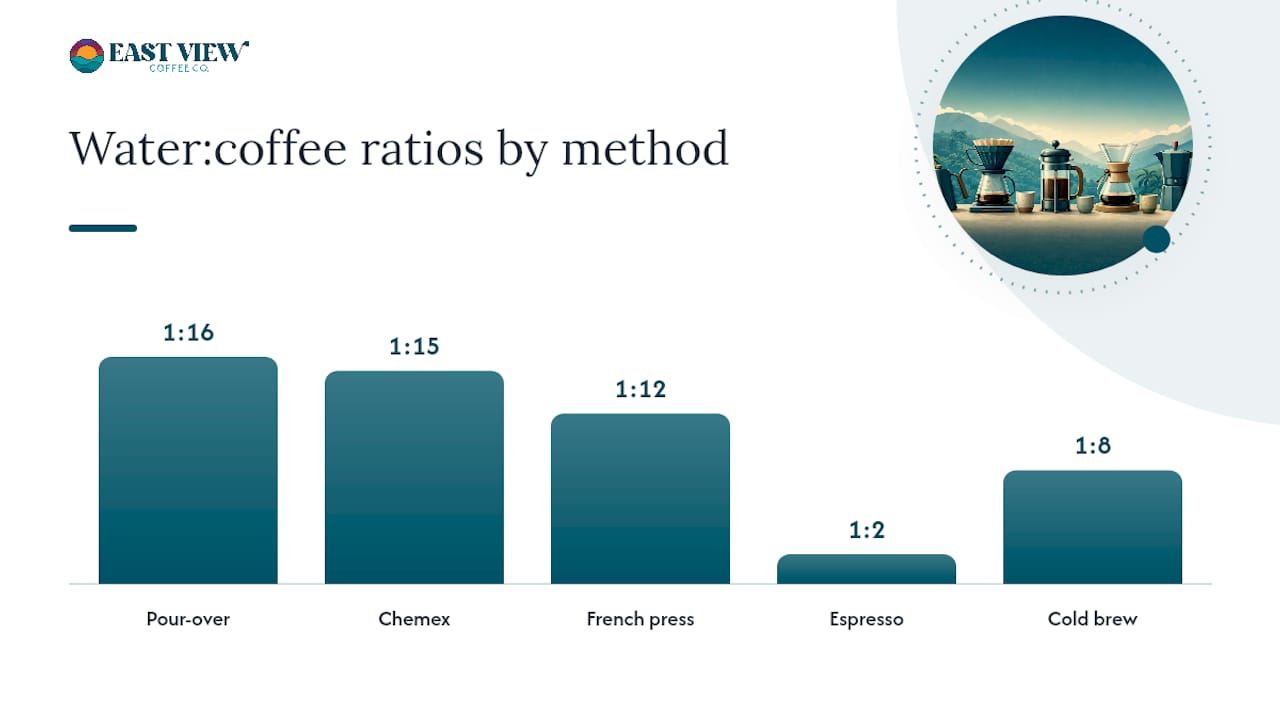
Brew method changes body, perceived acidity, and how much of the bean’s oils end up in your cup. Here’s how the main methods interact with Colombian coffee’s characteristics:
- Pour-over (1:16 ratio, medium-fine grind, 3:30–4:00 brew time): Highlights brightness and clarity. Best for light-to-medium roast Colombian beans from Huila or Nariño where you want to taste the fruit and floral notes.
- Chemex (1:15 ratio, medium-coarse grind, 4:00–5:00 brew time): Similar to pour-over but with a thicker filter that removes more oils, producing an even cleaner, lighter-bodied cup. Excellent for high-altitude lots.
- French press (1:12 ratio, coarse grind, 4:00 steep): Increases body and keeps oils in the cup. Softens acidity and amplifies chocolate and nutty notes. Works well with medium-roast Antioquia or Eje Cafetero beans.
- Espresso (1:2 ratio, fine grind, 25–30 second pull): Concentrates sweetness and body. A medium-roast Colombian through espresso produces a rich caramel and chocolate shot with a clean finish. Cold brew smooths acidity further and lets the chocolate and caramel notes dominate.
- Cold brew (1:8 ratio, coarse grind, 12–18 hour steep): Reduces perceived acidity and produces a smooth, sweet concentrate. Colombian coffee’s natural sweetness shines here; medium roast works best.
The best pairing for classic Colombian notes: medium roast plus espresso for caramel and chocolate, or light roast plus pour-over for citrus and fruit.
Supremo vs. Excelso and the common Colombian varietals
Colombian coffee is graded by screen size (the physical diameter of the bean), not by cup quality. Supremo is the larger grade, typically screen size 17 or above. Excelso covers screen sizes 14–16. Larger beans generally roast more evenly and are associated with slightly fuller body and sweetness, but grade alone doesn’t guarantee a better cup. A well-grown Excelso from Nariño will outperform a poorly grown Supremo every time.
The varietals you’ll encounter most often:
- Typica: The original Colombian variety. Clean, sweet, and delicate, with a classic caramel and mild fruit profile. Lower yield, which is why it’s increasingly rare.
- Bourbon: Sweeter and more complex than Typica, with red fruit and a richer body. Prized at specialty level.
- Caturra: A natural mutation of Bourbon. Bright, citrusy, and higher-yielding. Common across Colombian farms and a reliable source of clean acidity.
- Castillo: Developed by Cenicafé for disease resistance. Cup quality has improved significantly in recent years; tends toward mild fruit and chocolate, slightly less complex than Bourbon or Caturra at the top end.
- Colombia hybrid: Similar to Castillo in disease resistance; cup character varies by growing conditions but generally sits in the balanced, approachable range.
Colombia produces almost exclusively Arabica and plants all five of these varietals across its regions. Varietal influences cup nuance, but for most consumer purchases, region and processing drive the larger differences. At specialty level, varietal becomes a meaningful signal.
How to cup Colombian coffee at home
A home cupping session reveals things a casual sip misses: the way acidity evolves as the cup cools, how the sweetness develops mid-palate, and whether the finish is clean or lingering. For more on the difference between cupping and casual tasting, this breakdown of cupping methodology is worth reading before you start.
Here’s the process:
- Grind: Use 10g of coffee per 180ml of water. Grind medium-coarse, like coarse sea salt.
- Dose: Place grounds in a wide, open cup or bowl. Smell the dry grounds before adding water. This is the dry aroma, and it often reveals the clearest read on origin character.
- Water temperature: 200°F (just off boil). Pour directly over the grounds and start a timer.
- Steep: Let the coffee steep for 4 minutes undisturbed. A crust of grounds will form on the surface.
- Break the crust: At 4 minutes, use a spoon to break the crust and push it to the side. Inhale as you do. This is the wet aroma, often the most expressive moment in the cupping.
- Skim and taste: Remove the floating grounds with two spoons. Slurp the coffee loudly from a spoon (this aerates it and spreads it across your palate). Taste at multiple temperatures: hot, warm, and cool.
What to look for:
- Aroma: Chocolate, caramel, nuts at medium roast; citrus, jasmine, or stone fruit at light roast.
- Acidity: Does it feel bright and clean (citrus-like) or soft and rounded (malic, like apple)? Colombian washed coffees tend toward the clean, citrusy end.
- Body: Medium is typical. French press will feel heavier; pour-over lighter.
- Sweetness: Caramel and brown sugar are the Colombian baseline. If it reads as sharp or thin, the roast may be too light for your palate.
- Finish: Clean and relatively short is the Colombian signature. A long, lingering finish often signals a natural-processed coffee or a very dark roast.
Pro Tip: To calibrate citrus vs. berry acidity, taste a small piece of grapefruit before cupping a Nariño lot, then taste a raspberry before cupping a Huila lot. Your palate will anchor those acid types faster than any description.
How to buy and store Colombian coffee in the U.S.
Buying well matters as much as brewing well. Here’s what to look for on the bag:
- Roast date, not “best by” date: Specialty coffee is best within 2–4 weeks of roast. A bag with only a “best by” date tells you nothing useful.
- Single-origin or regional labeling: “Colombian” on a blend label means very little. Look for a department name (Huila, Nariño, Antioquia) or a farm/lot name for the most flavor-specific purchase. Single-origin Colombian offerings give you the clearest read on regional character.
- Altitude or lot notes: A bag that lists elevation (e.g., 1,800m) or processing method (washed, natural) is signaling transparency about how the coffee was grown and handled.
- Light-to-medium roast for origin clarity: Dark roasts can taste good, but they mask the regional character that makes Colombian coffee worth seeking out. If origin flavor is your goal, stay at medium or lighter.
- Whole bean over pre-ground: Ground coffee goes stale within days. Whole beans stay fresh significantly longer when stored correctly.
For storage, keep beans in an airtight container away from heat, light, and moisture. A cool pantry shelf works well; the freezer is fine for long-term storage of unopened bags, but avoid repeated freeze-thaw cycles. Whole beans roasted within the last two to four weeks will give you the best cup.
On decaf: Swiss Water Process decaf Colombian beans retain most of the origin’s flavor character and have a similar shelf life to regular beans. Flavored Colombian coffees use lower-grade beans as a base, so the regional flavor notes are largely masked by the added flavoring.
Why the “Colombian coffee” label undersells what’s in the bag
The conventional wisdom treats Colombian coffee as a single, predictable thing: balanced, smooth, crowd-pleasing. That framing is useful for blenders and supermarket buyers, but it flattens something genuinely interesting. A Nariño lot from a women-owned farm at 2,100 meters tastes nothing like a commercial Supremo blend. The gap between those two cups is wider than the gap between many different origins.
What I find most worth saying to anyone who’s been drinking “Colombian” without thinking much about it: the label is a starting point, not a destination. The real flavor story lives in the region, the altitude, the farm, and the roast decision. Chasing those details is what turns a morning habit into something you actually look forward to.
Eastviewcoffee sources its Colombian lots from women-owned farms with full transparency about origin and processing. That sourcing approach isn’t just an ethical choice. It tends to produce better coffee because farms receiving premium compensation invest in selective picking and careful processing, the exact practices that create the clean, complex cups this guide describes.
Taste the Colombian profile for yourself
The flavor profile described throughout this guide comes to life most clearly in a well-sourced, freshly roasted single-origin lot. Eastviewcoffee roasts in small batches in Kenosha, Wisconsin, sourcing directly from women-owned Colombian farms where selective hand-picking and washed processing are standard practice. That means the caramel sweetness, clean acidity, and chocolate finish you’ve read about here are actually in the bag, not just on the label.
If you’re not sure which roast level or region fits your palate, Eastviewcoffee’s seasonal Colombian offerings rotate through different lots and roast profiles, so you can taste the regional differences firsthand. Prefer a guided match? The custom coffee recommendation page walks you through your preferences and pairs you with a specific lot. Start there.
Sources
- Colombian coffee tasting notes & flavor profile
- Colombian Coffee: What It Is, What It Tastes Like, and What Makes It Different
- Colombian Coffee: Complete Flavor Profile Guide | Cafy
- Espresso & Coffee Guide - Colombian Coffee Beans