
What Small Batch Coffee Meaning Actually Comes Down To
Small-batch coffee is coffee roasted in deliberately limited quantities with active roaster oversight, so the roast profile, freshness, and origin character stay intact instead of getting averaged out. That’s the whole idea in one sentence, and it’s why the term shows up on so many bags today.
Roasters define “small batch” differently. Some cite under 50 pounds per cycle, others say a few pounds to 30 pounds is closer to the specialty norm. The number matters less than what it enables:
- Tighter control over temperature curves and roast development
- Fresher beans because smaller lots move to shelves faster
- Better traceability back to a specific farm or microlot
Key Takeaways
Small-batch coffee earns its meaning through active roaster oversight, verifiable roast dates, and traceable origins, not through the phrase printed on the bag.
| Point | Details |
|---|---|
| Definition | Small batch means limited roast quantities with active oversight, typically under 50 pounds per cycle. |
| Roast date is non-negotiable | Coffee is best within two to three weeks of roasting, so a printed date matters more than any marketing term. |
| Traceability beats adjectives | A named farm or microlot tells you more than words like “artisan” or “premium.” |
| Small batch suits careful brewing | Pour-over and manual espresso reveal small-batch differences more than everyday drip coffee does. |
| East View Coffee example | Roasts small lots in Kenosha from women-owned farms and lists roast date and origin on every product page. |
Table of Contents
- What “Small Batch” Actually Means on a Coffee Label
- How Small-Batch Roasting Actually Gets Done
- Why Small Batches Change What’s in Your Cup
- Small Batch vs. Mass Roasting: What You’re Actually Paying For
- Three Ways to Verify a Bag Really Is Small Batch
- How East View Coffee Puts Small-Batch Practice Into Action
- What Actually Matters When You’re Buying Small Batch
- Try a Small-Batch Roast for Yourself
- Sources
- FAQ
What “Small Batch” Actually Means on a Coffee Label
Coffee labels borrow a handful of overlapping terms, and knowing the difference helps you read past the marketing. “Small batch” refers to roast volume and oversight. “Microlot” refers to a small, separately tracked harvest from a specific part of a farm. “Single origin” means the beans come from one country or region rather than a blend. “Estate” points to one specific farm. A bag can be small batch without being single origin, and vice versa.
Batch sizes vary widely depending on the roaster’s equipment and philosophy. A home-scale roaster might run 5 to 10 pound batches; a growing specialty shop might roast in 30 to 50 pound drums. What matters isn’t the exact weight so much as whether someone is actively watching that batch the entire time.
Here’s the statistic that actually tells you something: many roasters describe small-batch cycles as staying under 50 pounds per roast, a scale small enough that one person can taste-test and adjust every single load.
When you’re scanning a bag, prioritize these signals over the word “small batch” itself:
- A printed roast date, not just a “best by” date
- A named farm, cooperative, or region, not just a country
- Specific pricing or sourcing language instead of vague terms like “artisan” or “premium”
How Small-Batch Roasting Actually Gets Done
Small-batch roasting isn’t just a smaller version of industrial roasting. It’s a different workflow built around constant human judgment. Here’s how it typically unfolds:
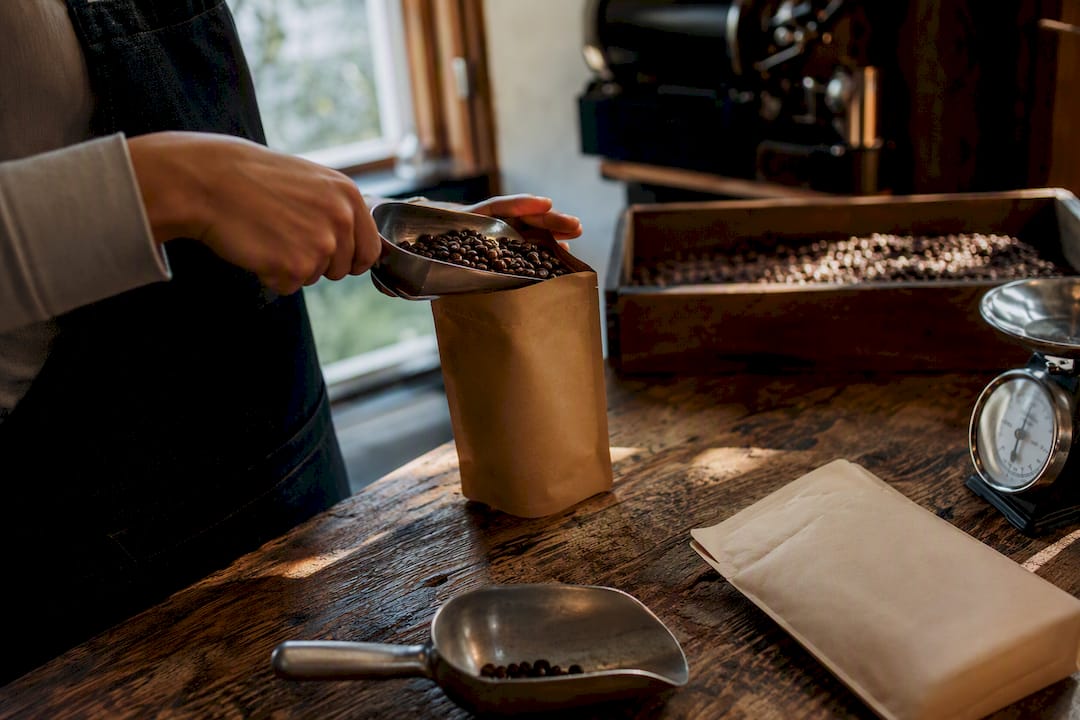
- Green bean sorting. Small roasters can hand-check or machine-sort green coffee for defects before it ever hits the drum, something that gets skipped at industrial volume.
- Profile building. Roasters tailor a temperature curve to that specific lot, timing first crack and development time to bring out what that bean does best.
- Test roasts and cupping. Before a new lot goes into regular rotation, most small roasters cup multiple sample roasts to lock in the right profile.
- Roast-to-shelf turnaround. Because volumes are lower, coffee often ships within days of roasting rather than sitting in a warehouse.
That fourth step is where the freshness argument really lives. A roaster that ships within days rather than weeks is showing the kind of operational discipline that keeps volatile aromatics intact.
Pro Tip: Ask a roaster how many days pass between roasting and shipping. A confident, specific answer, like “we ship within 48 hours,” tells you more than any label claim ever will.
Why Small Batches Change What’s in Your Cup
Coffee starts losing its aromatic compounds the moment it leaves the roaster, and that clock doesn’t slow down for anyone. Because freshly roasted coffee is best consumed within two to three weeks, the shorter cycle times common in small-batch operations translate directly into a fresher cup at your counter.
Small batches also let roasters showcase what a specific origin or processing method actually tastes like, rather than smoothing everything into a uniform flavor. Processing method and origin strongly shape the final cup, and roasters working in small lots can afford to buy the pricier microlots that show those differences clearly.
That creates a real tradeoff worth understanding:
- Blends prioritize consistency, cup after cup, bag after bag.
- Single-lot releases prioritize distinctiveness, meaning the coffee you love in March might not exist by June.
Neither approach is wrong. A blend suits someone who wants their morning routine to taste the same every day. A single-origin microlot suits someone chasing a specific, seasonal flavor experience. Smaller batch sizes give roasters the flexibility to run natural or honey-processed lots more often, producing distinctive, seasonal cups that large commodity roasters rarely bother with, since the volume doesn’t justify the complexity.
Small Batch vs. Mass Roasting: What You’re Actually Paying For
Industrial roasters run massive drums, often hundreds of pounds per cycle, optimized for speed and consistency across huge volumes. That scale brings real advantages: lower prices, dependable supply, and a flavor profile engineered to taste the same in every market. It also brings tradeoffs. Dark roasting is sometimes used to mask lower-grade beans or inconsistent green coffee, since char flavor covers a multitude of sins.
Small-batch roasting flips those priorities:
- Batch weight: a few pounds to roughly 50 pounds versus hundreds of pounds
- Oversight: one roaster monitoring a single lot versus automated, high-volume runs
- Freshness cycle: days to shelf versus weeks or months in distribution
- Price: typically higher, reflecting labor and smaller-volume green coffee purchasing
If you brew carefully, pour-over, a manual espresso setup, or try adding natural supplements to your cup, anything where subtle flavor differences actually show up, small batch is worth the premium. If you’re mostly making drip coffee for a crowded office, mass-roasted blends will serve you fine at a lower cost.
Three Ways to Verify a Bag Really Is Small Batch
Marketing language is cheap. Here’s a quick checklist that separates a genuine small-batch claim from a sticker:
- Check for a roast date, not just a best-by date. No roast date is the single biggest red flag on any bag.
- Look for named origin details, a specific farm, region, or cooperative, not just “Product of Colombia.”
- Ask about batch size and turnaround. A roaster who can tell you their typical batch weight and shipping window is operating the way they claim.
Watch for vague marketing terms like “artisan” or “premium” standing in for actual information. Those words carry no legal definition and mean whatever the roaster wants them to mean. A roast date three or four months old, even on a bag that says “small batch,” tells you the coffee has been sitting around long enough to lose most of what made it worth roasting carefully in the first place.
How East View Coffee Puts Small-Batch Practice Into Action
East View Coffee roasts every lot in small batches out of Kenosha, Wisconsin, and lists roast date and origin information right on the product page, the exact transparency this article has been describing rather than just claiming. The coffee comes from women-owned farms, sourced with an emphasis on fair, direct compensation to the growers themselves.
Small-batch roasting only means something if the practices behind it are visible: a roast date you can check, a farm you can name, and a lot size small enough that someone actually tasted it before it shipped.
That combination, smaller lot sizes, visible roast dates, and named origin coffee, is what turns “small batch” from a label into an actual practice you can verify before you buy.
What Actually Matters When You’re Buying Small Batch
Most advice on this topic gets stuck comparing marketing terms instead of asking the one question that matters: can you verify it? A bag can say “small batch,” “artisan,” and “handcrafted” and still be a commodity roast with a nicer label. The research is consistent on this point: roast date and traceability tell you more than any adjective on the front of the bag.
Where conventional advice falls short is treating small batch as an automatic upgrade. It isn’t, if a roaster runs small lots but still buys low-grade green coffee or lets bags sit for two months before shipping, the batch size bought them nothing. Small batch is a method, not a guarantee.
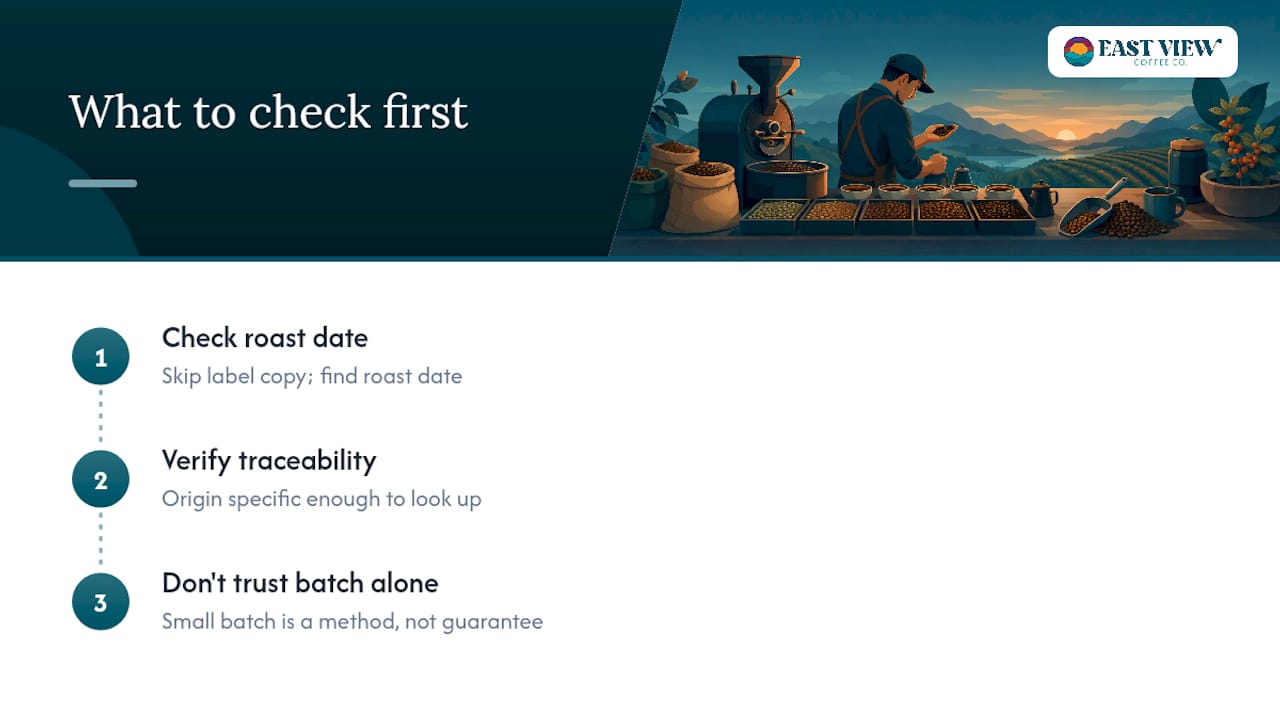
What should you prioritize first? Skip the label copy and go straight to the roast date. Then check whether the origin is specific enough to look up. If a roaster can’t or won’t give you both, the batch size on the bag is decoration.
Try a Small-Batch Roast for Yourself
If you’ve read this far, you already know what to look for: a real roast date, a named farm, and a roaster small enough to have tasted the batch before it shipped. Eastviewcoffee builds every one of those into how it operates out of Kenosha, sourcing from women-owned farms and publishing origin details on every product page instead of burying them in fine print.
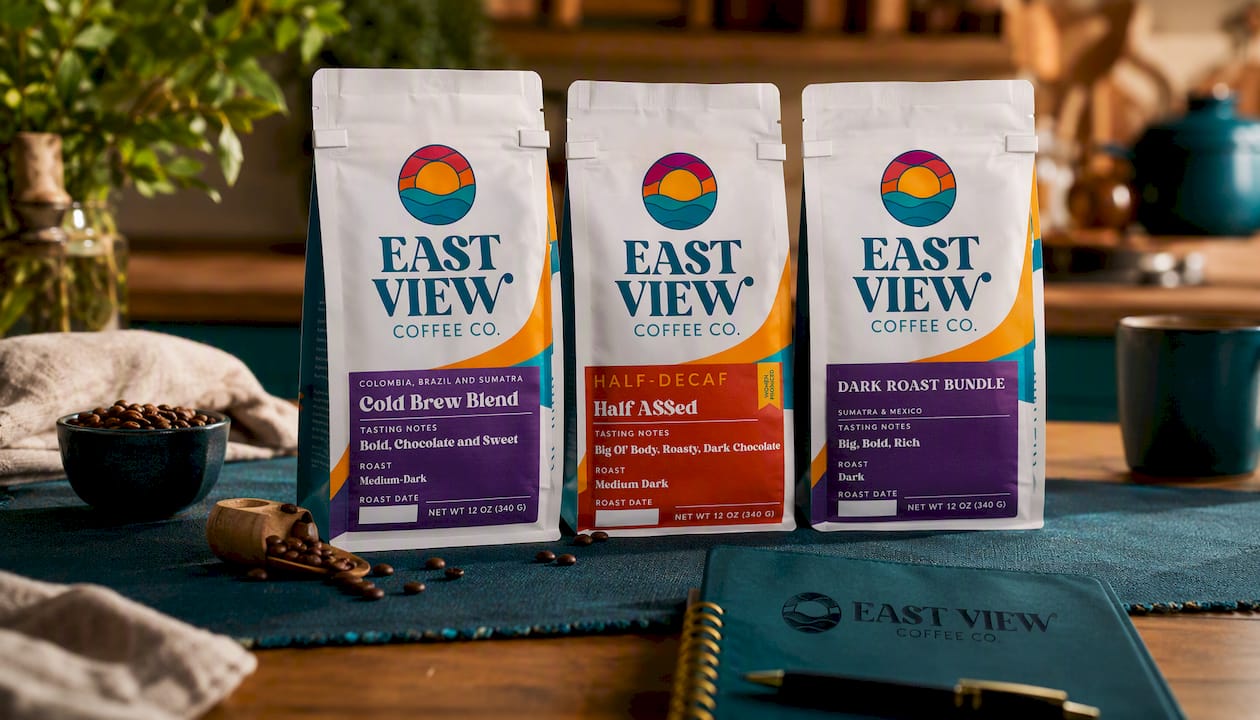
A good place to start is the Community Freshly Roasted Coffee, a straightforward entry point into what small-batch roasting actually tastes like. If you’d rather explore a specific origin story, Café con Amor from Costa Rica is a direct-relationship coffee that shows the traceability piece in action. Want to cut caffeine without losing flavor? The Cat’s Pajamas Half-Caff or the more assertive Half-A$$ed Half-Caff both give you that option in a freshly roasted small batch. If you’d rather not choose a single bag, the Sunny’s Choice Bundle, Dark Roast Bundle, or Medium Roast Bundle let you sample a range at once. For ongoing access to rotating microlots, the Delightful Coffee Club subscription ships fresh roasts on a schedule instead of leaving bags sitting on a shelf. Pick a bag, check the roast date when it arrives, and taste the difference small batch is supposed to make.
Sources
- How to Understand The Label on Your Bag of Roasted Coffee - Perfect Daily Grind
- How to Read a Coffee Bag Label: Origin, Roast Date, Process, Tasting Notes | Pulled Journal
- What Does Small Batch Coffee Mean? | Moon Roast Coffee
- Small Batch Coffee Explained: Understanding Its Unique Qualities
FAQ
Is small batch coffee better?
It’s not automatically better, but it tends to offer fresher beans, more precise roast profiles, and clearer origin flavors when the roaster backs the claim with a visible roast date and traceable sourcing.
What is the 15-15-15 rule for coffee?
This isn’t a standard, widely defined roasting or brewing rule in specialty coffee circles, and definitions vary enough by source that no single answer applies here.
What does “batch coffee” mean?
“Batch coffee” typically refers to brewing a larger volume of coffee at once using a batch brewer, which is a separate concept from “small batch,” which describes how the beans were roasted.
What is considered a small batch coffee roaster?
Most specialty roasters consider small batch to mean roasting under roughly 50 pounds per cycle, with one person actively monitoring the roast rather than running automated, high-volume batches.